Why Does Yard Grading Matter for Monsoon Drainage in Phoenix?
Yard grading matters for monsoon drainage because the slope of your ground decides where storm water goes: toward your house or away from it. In Phoenix, one monsoon storm can drop 1 to 2 inches of rain in under an hour on desert soil that barely soaks it up, so a yard graded to drain away from the home is your first and best line of defense.
After 10-plus years running Phoenix Pro Excavating and more than 150,000 tons of dirt moved, I can tell you most flooding calls we get each summer trace back to one thing: the yard was never shaped to move water.
There is a paperwork side to all of this too. Once you change where water runs, you are usually in permit territory, and in Maricopa County a separate dust permit kicks in at a surprisingly small disturbed area. We break down which office handles what in do I need a grading permit in Maricopa County.
What Monsoon Storms Do to a Flat Phoenix Yard
Monsoon storms hit hardest from July through September, and they are not gentle all-day rains. They are bursts, dropping an inch or two of water in less than an hour, often with wind driving it sideways.
Our desert soil makes it worse. A few inches down, much of the Valley sits on caliche, a hard, cement-like layer that water cannot punch through. We wrote a whole post on what caliche is and why it is so hard to dig. When rain cannot soak in, it sits on top of the ground and flows to the lowest spot. If that low spot is against your foundation, you can end up with:
• Water pooling against stem walls and slowly wicking into block and stucco
• Soggy soil that can shift or settle under footings
• Standing water that breeds mosquitoes for days
• Mud and gravel washing across patios and into pool decks
How Yard Grading Improves Monsoon Drainage
Grading is shaping the ground on purpose. The goal is positive drainage: ground that falls away from the house on every side so water leaves on its own. My rules of thumb:
• Aim for about a 2 percent slope away from the house. That is roughly a 2-inch drop over the first 10 feet.
• Keep soil and gravel a few inches below the stucco line so moisture never wicks into the wall.
• Give water an exit. A swale, a shallow, gentle channel, can carry water around the house to the street or a retention area.
• Line swales and splash zones with drainage rock so fast-moving water does not cut ruts.
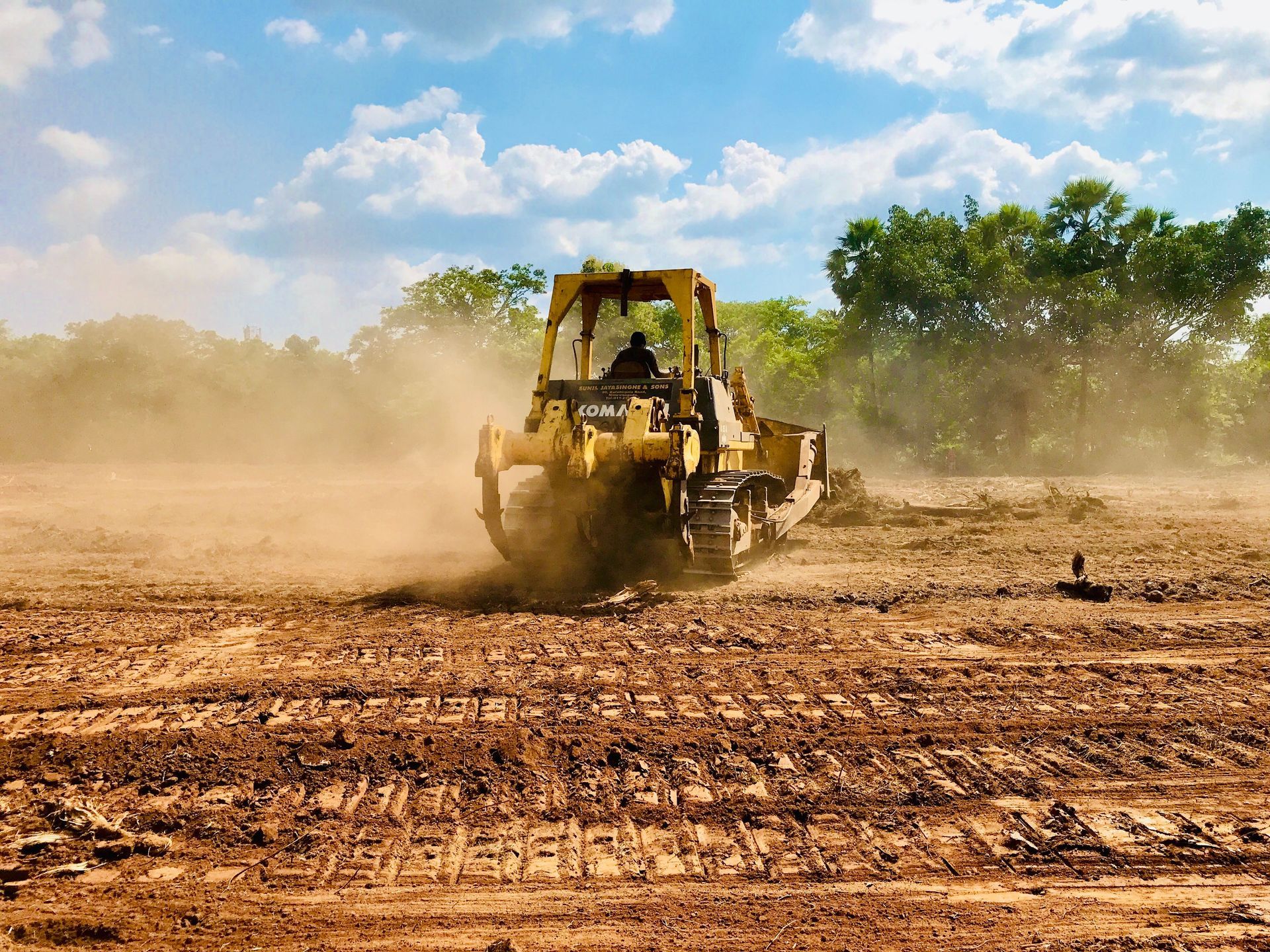
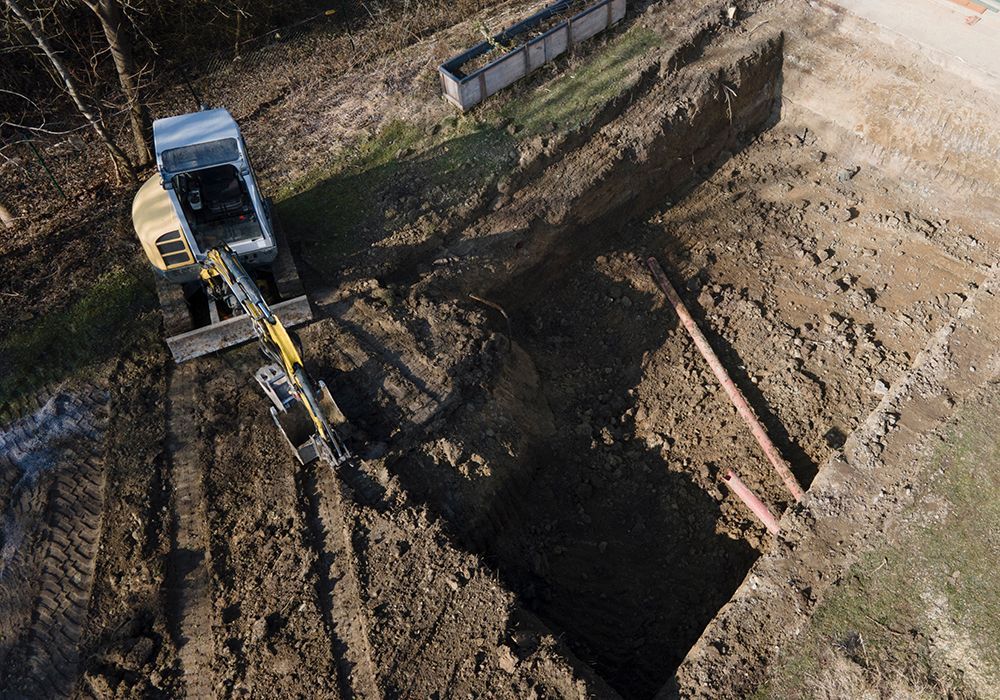
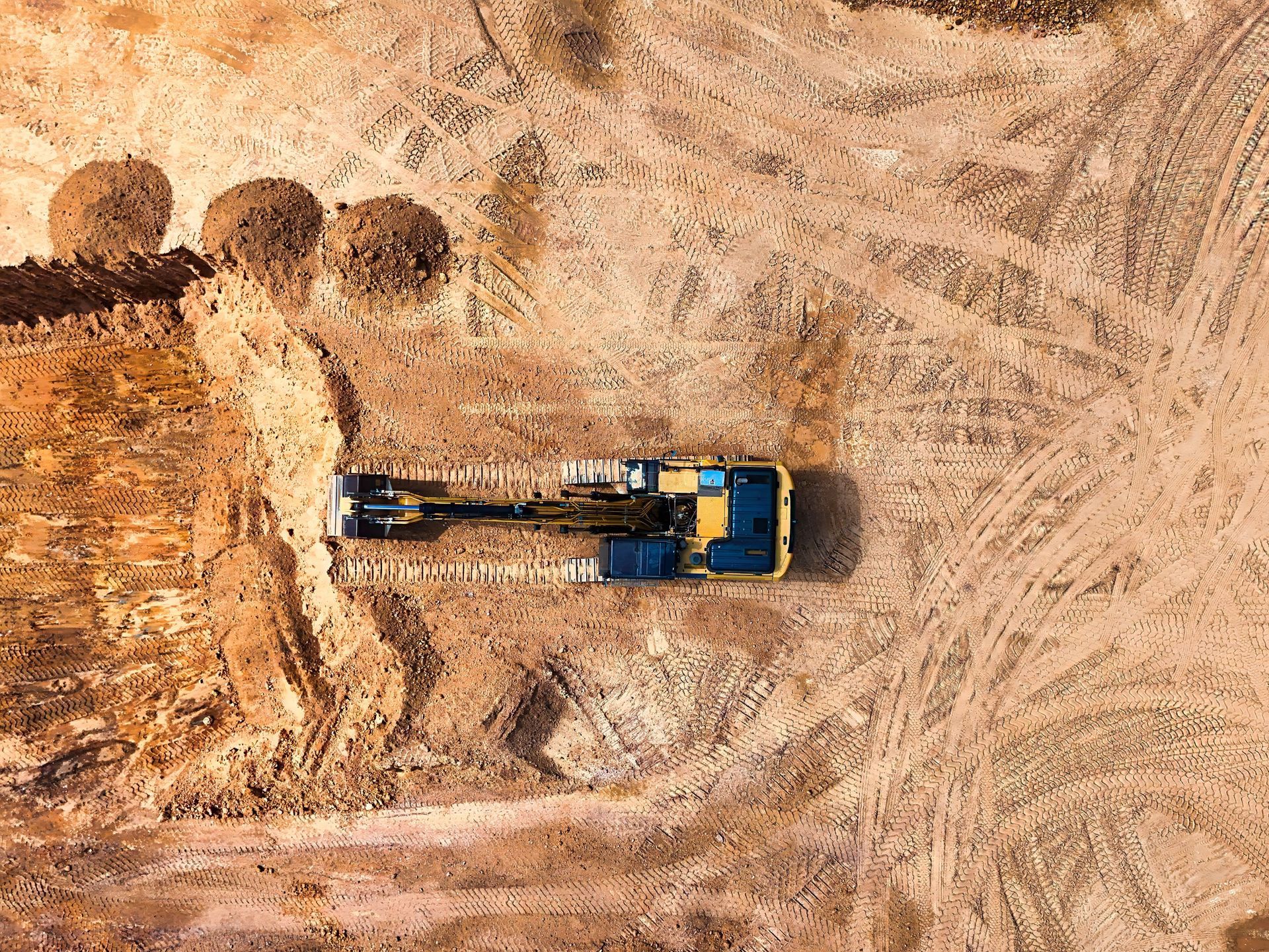
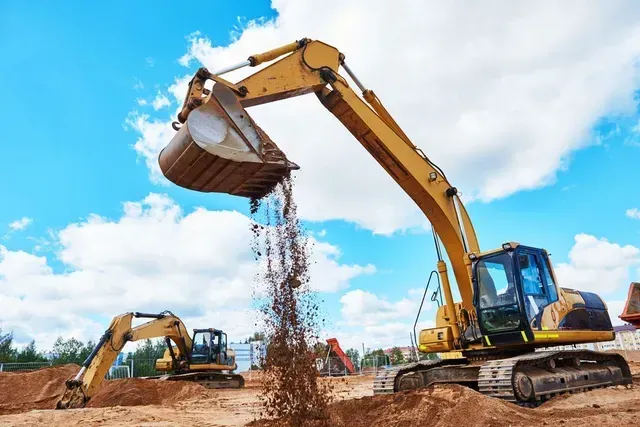
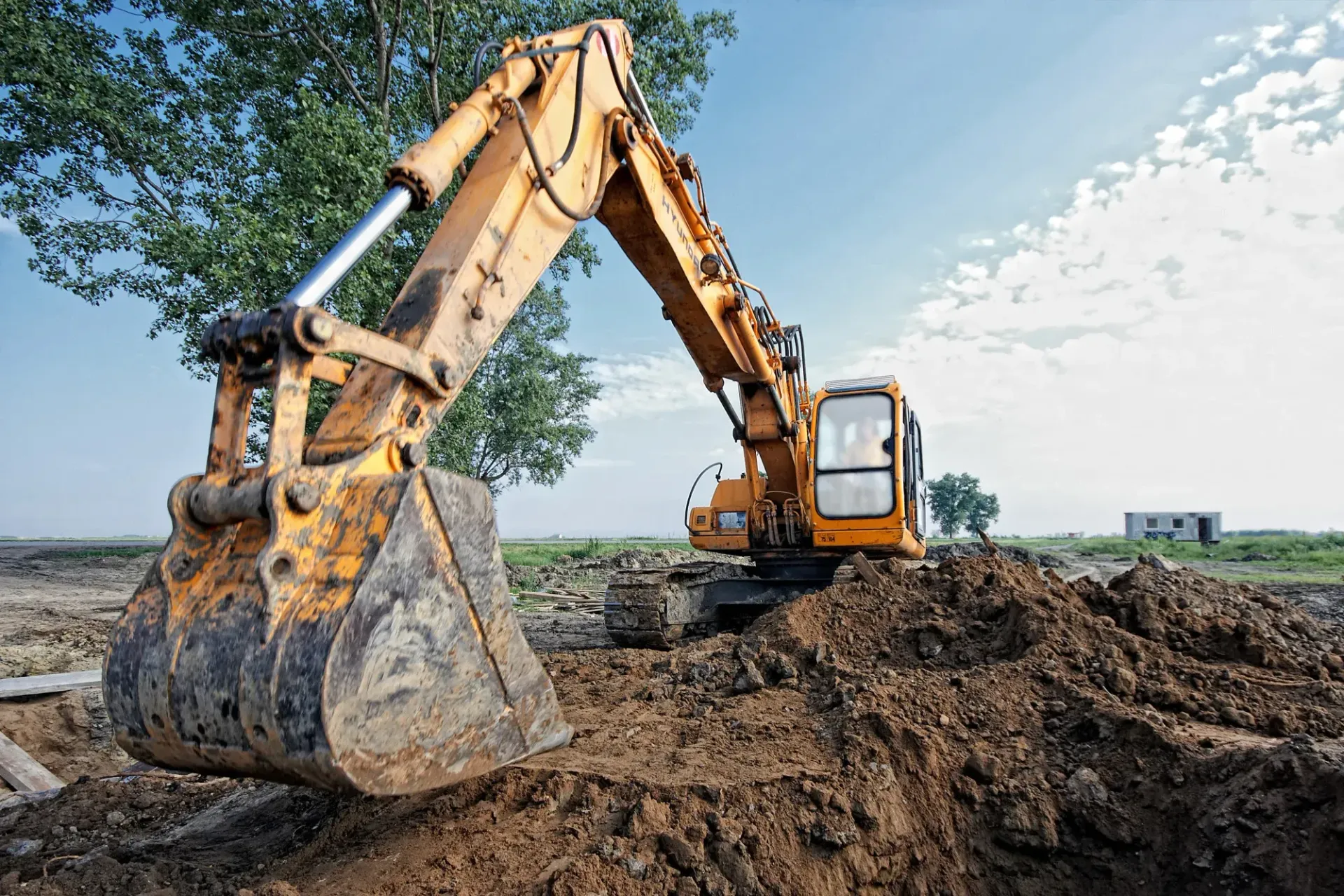
On a typical job we use a mini excavator or skid steer to cut high spots, fill low spots, compact, and finish the slope. If the yard is overgrown, we handle land clearing first. You can see the full scope of this work on our site preparation and grading page.
The Backyard That Flooded Three Summers in a Row
Last July, a West Valley homeowner called about a back patio that flooded in every big storm, three summers straight. Roof water hit a dead-flat yard and stacked up against the back stem wall, leaving a white, crusty line on the block from years of moisture.
The fix took one day. We brought a mini excavator through a 5-foot gate, regraded the yard to fall away from the house, cut a shallow swale along the fence line, and topped it with drainage rock. Two weeks later, a storm dropped an inch of rain in 40 minutes. The homeowner sent me a video of water streaming calmly around the house and out to the street. The patio stayed dry.
When Regrading Is Not the Answer
I will be straight with you: not every drainage problem needs an excavator, and I would rather say so up front than sell you a job you do not need.
• Check gutters and downspouts first. Many Phoenix homes have none. If water only pools under the roof edge, gutters and downspout extensions may solve it for a fraction of the cost.
• One soggy corner can be a DIY fix. A few bags of fill dirt, a rake, and a cheap line level will handle a single low spot.
• Clean what you have. Clogged scuppers and patio drains full of leaves cause plenty of fake grading problems.
• Sometimes you need a pipe, not a slope. On tight lots, a French drain or buried downspout line works better.
If a pipe is the right call, our utility trenching crew can cut it clean and to depth. Regrading earns its keep when the whole yard tilts the wrong way, water reaches the foundation on more than one side, or caliche keeps everything on the surface.
Get Your Yard Graded Before the Next Storm Hits
Yard grading for monsoon drainage is cheap compared to what it prevents, because foundation and stem wall repairs cost far more than a day of dirt work. The best time to grade is spring or early summer, before the storms line up.
If your yard held water last summer, let us fix it before the next storm. Phoenix Pro Excavating serves Phoenix and the entire West Valley with mini and full-size excavators. Call 623-299-2172 or request an estimate online, and you will hear back within 24 hours.
Yard Grading and Monsoon Drainage FAQ
How much slope does my yard need to drain properly?
About 2 percent away from the house, roughly a 2-inch drop over the first 10 feet. A little more is fine. The key is a steady fall with no low spots that trap water.
Can I regrade my yard myself?
Small fixes, yes. Filling one low corner or extending a downspout is a weekend project. Regrading a whole yard means cutting compacted soil and sometimes caliche, moving tons of material, and holding an even slope. That is machine work, and doing it wrong can send water toward the house.
When is the best time to grade a yard in Phoenix?
Spring through early June is ideal, before monsoon season arrives and the emergency calls start. We grade year-round though, and if your yard is flooding now, we can get to it fast.