How Long Does Site Prep Take in Phoenix?
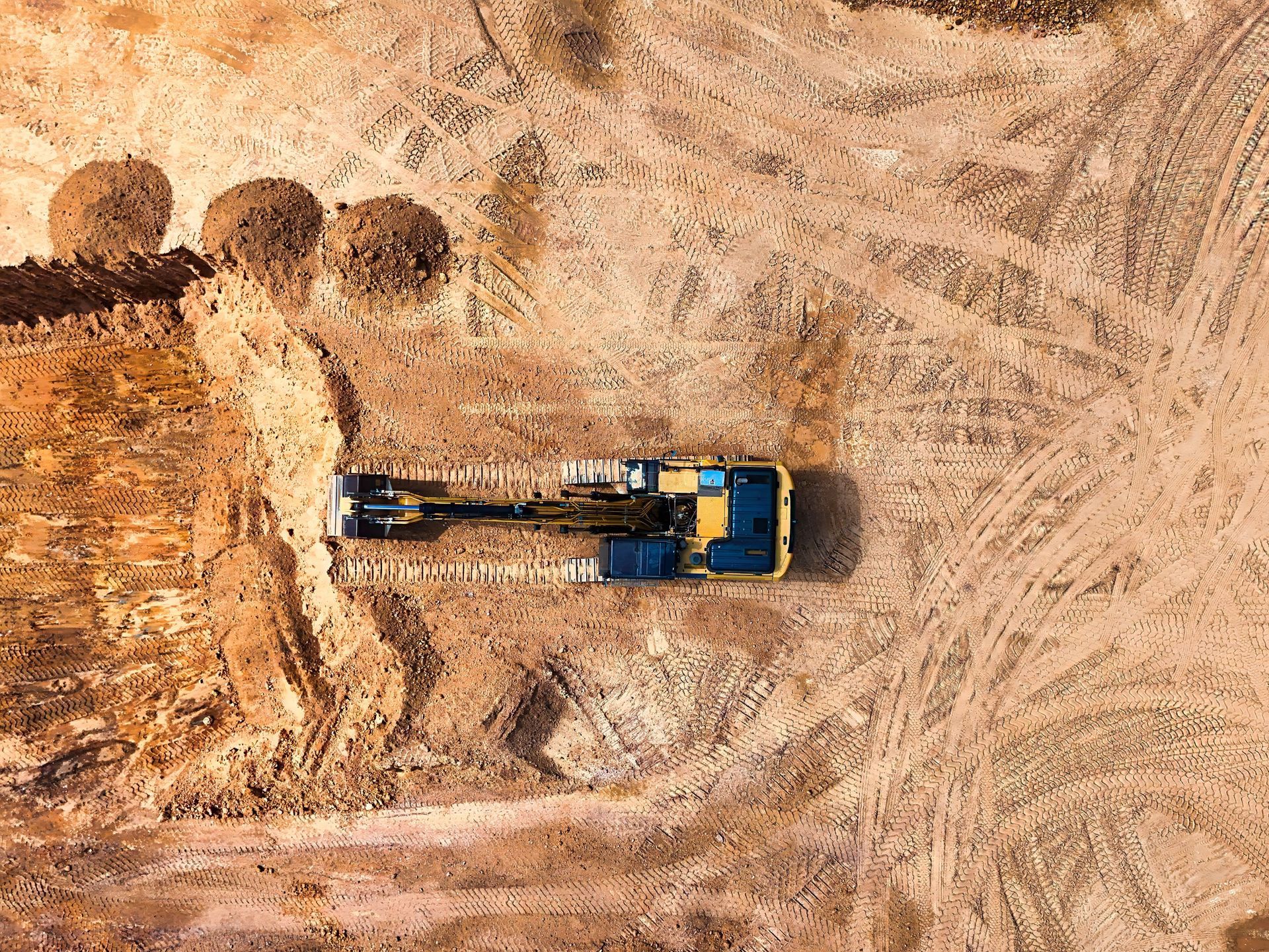
Site prep for a typical Phoenix residential lot takes about one to two weeks of actual dirt work, and a small commercial pad usually runs two to four weeks. The catch is that the calendar time is often double that, because the permit, the soils report and the utility locates happen before the first machine shows up. This post walks through each stage, what is happening on the ground, and what turns a ten-day job into a month.
What Site Prep Includes
When we talk about site preparation and grading, we mean everything that has to happen between raw dirt and a lot that is ready for footings. On most Phoenix jobs that is:
• Clearing: removing brush, trees, old slabs, fences and debris.
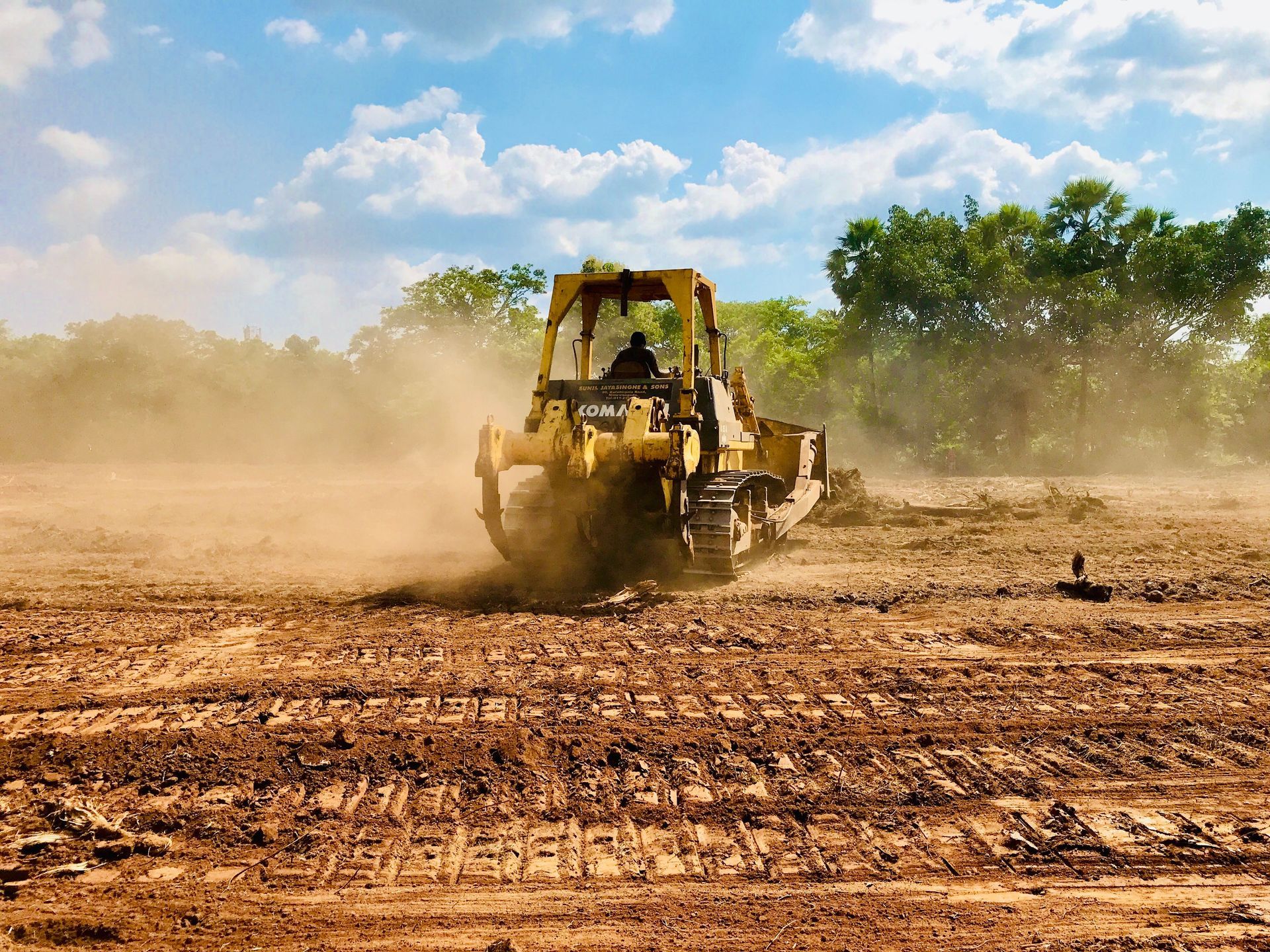
• Rough grading: cutting the high spots, filling the low spots, and shaping the lot to the plan elevations and drainage.
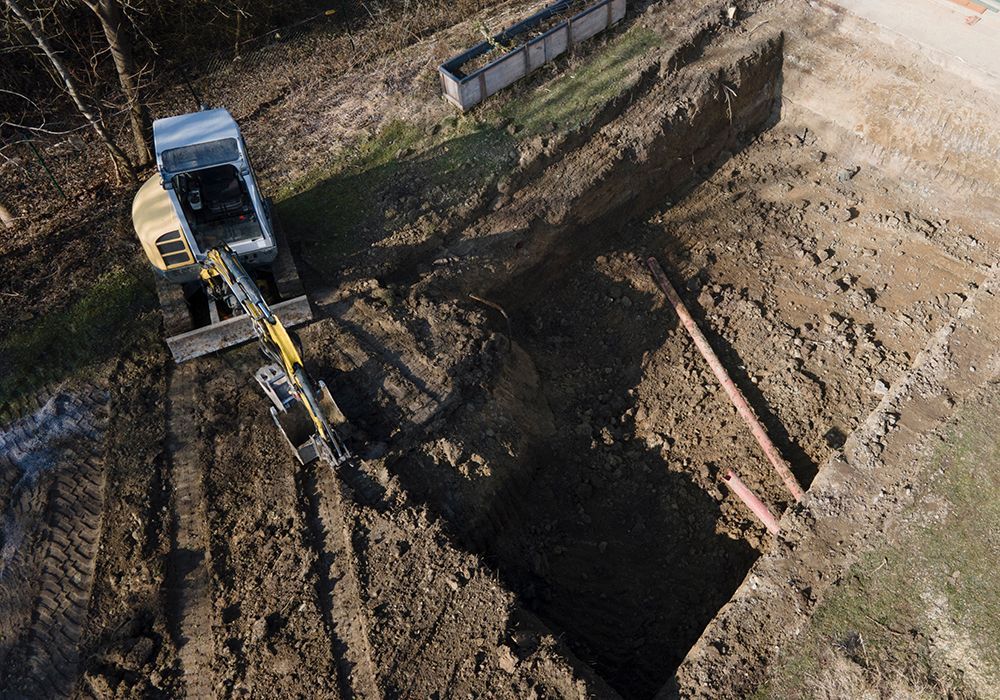
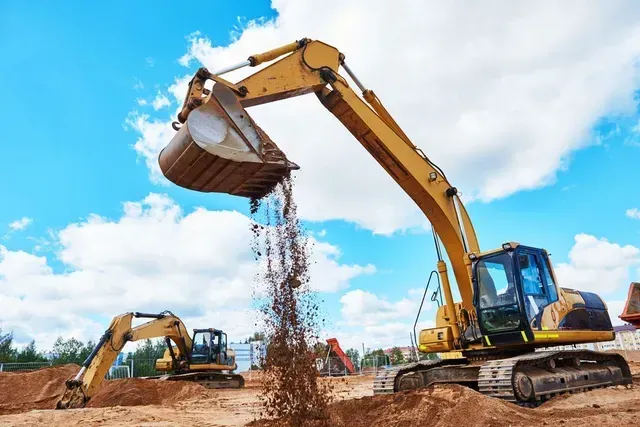
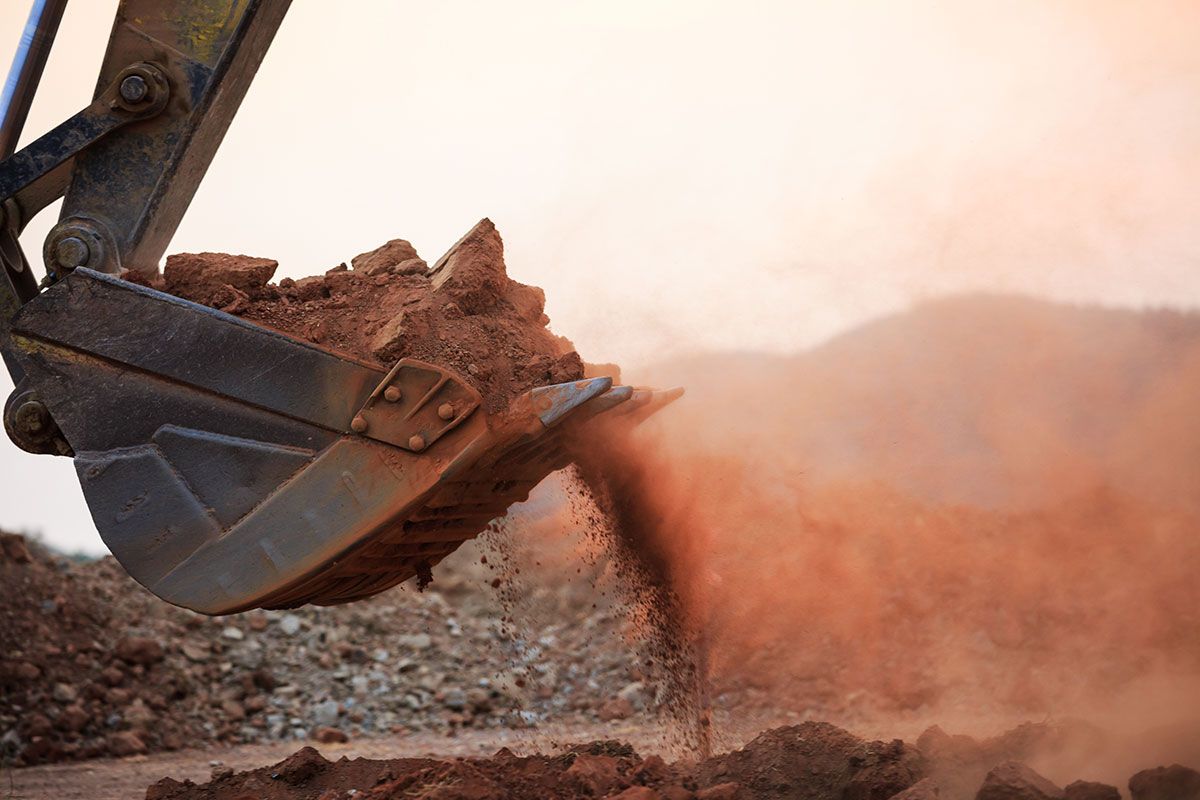
• Over-excavation and recompaction: digging out the loose native soil under the building pad, then rebuilding it in moisture-conditioned, compacted lifts.
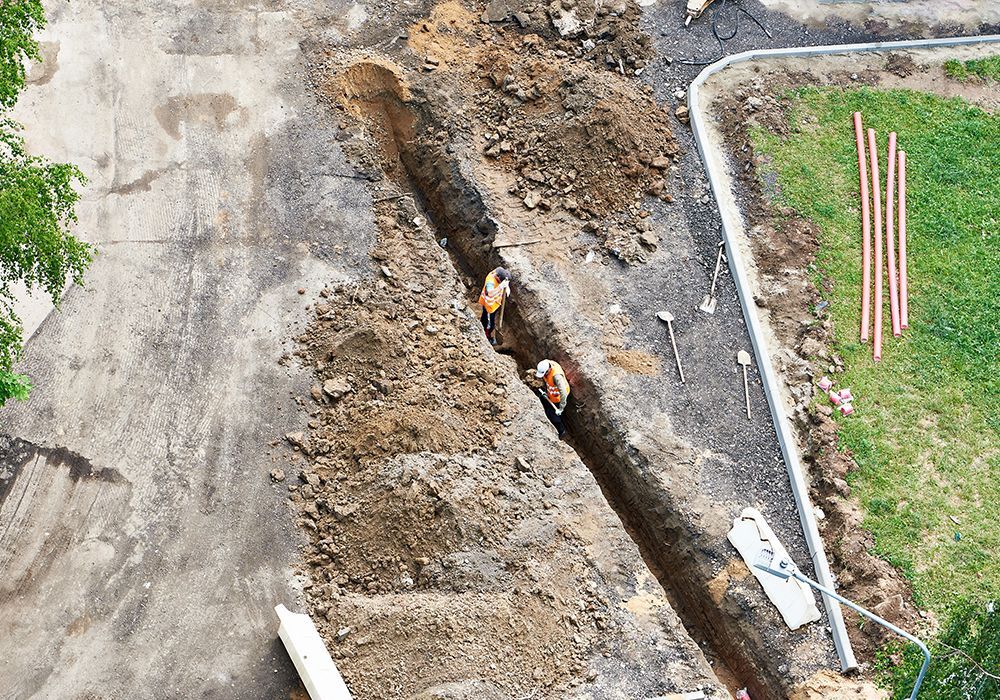
• Utility trenching: water, sewer, gas, electric and drainage lines from the street to the pad.
• Finish grading: setting the final pad elevation to a tight tolerance so the concrete crew can form the slab.
Each stage depends on the one before it, which is why the sequence matters more than the speed of any single day.
Site prep starts with clearing, and that step has its own permit and notice requirements that can affect your schedule. Here's what land clearing includes in Phoenix.
A Realistic Timeline, Stage by Stage
For a half-acre residential lot in the West Valley with moderate brush and a single-story pad, here is how our schedule usually reads once we mobilize:
• Days 1 to 2: land clearing and hauling debris. Mesquite and palo verde with big root balls add time.
• Days 3 to 4: rough grading to plan elevations.
• Days 5 to 8: over-excavation, moisture conditioning, compaction in lifts, and density testing by the soils engineer.
• Days 8 to 10: utility trenches and backfill.
• Days 10 to 12: finish grade and pad certification.
A one-acre lot with a lot of caliche, or a commercial pad with a deeper over-ex, stretches every stage. That is why we give a site-specific estimate within 24 hours instead of quoting a number off the phone.
What Slows Site Prep Down in Phoenix
The dirt itself is the first thing. Caliche, the cemented layer that sits a foot or two under a lot of Valley lots, can turn a half-day of over-ex into two days with a rock hammer. We bring the hammer, but it still takes time.
Paper is the second thing. A grading permit in Maricopa County or your city can take weeks to issue, and you cannot legally move dirt without it. We explained the rules in our post on whether you need a grading permit in Maricopa County. Add the soils report, which the engineer needs before anyone can say how deep to over-ex, and the 811 utility locate, which by law requires two full working days before digging.
Weather is the third. Monsoon storms shut down grading because you cannot compact mud, and a soaked pad has to dry before the density test will pass. In July and August, plan for lost days.
A Buckeye Lot That Took Twice as Long as the Owner Expected
A homeowner building a custom house in Buckeye called us expecting site prep to be done in a week. The dirt work was, in fact, about nine days. But the soils report came back calling for a deeper over-ex than the builder assumed, the grading permit took three weeks because the drainage plan needed a revision, and a monsoon cell dropped an inch of rain the day after we finished compacting, which meant re-working the top lift and retesting.
Start to finish was just under six weeks. None of it was wasted. The pad passed every density test, the drainage carried the next storm off the lot the way it was supposed to, and the foundation excavation crew that followed us had nothing to fix. That is the goal.
The Honest Counterpoint: Faster Is Not Always Better
Homeowners sometimes ask whether we can skip the density testing, thin the over-ex, or grade around the permit to save time. We do not. A pad that is not compacted properly settles, and the cracked slab and stuck doors show up two years later after everyone has been paid. The grading permit exists because a lot graded wrong sends monsoon runoff into the neighbor's garage, and the county will make you fix that too. Two extra weeks up front are far cheaper than a foundation repair.
Call Phoenix Pro Excavating to Schedule Site Prep
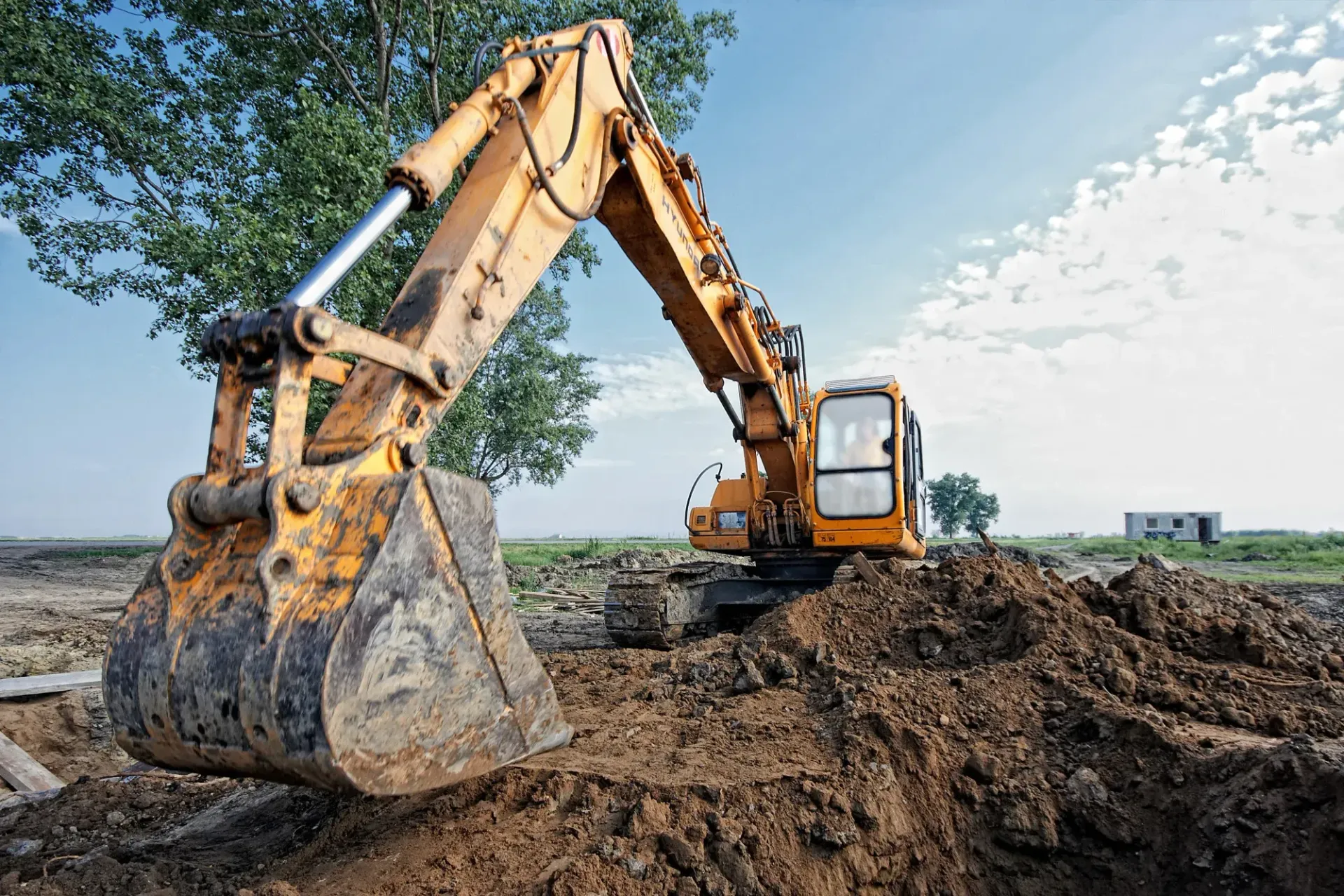
If you are planning a build and need to know how long site prep will take on your lot, Phoenix Pro Excavating has moved more than 150,000 tons of Valley dirt over ten-plus years and can tell you what your ground is going to do. We run mini and full-size excavators, rock hammers for caliche, and hydrovac trucks for tight utility work. Call 623-299-2172 and you will have an estimate within 24 hours.
Frequently Asked Questions
Can site prep start before the building permit is issued?
Grading usually needs its own permit, separate from the building permit. Some jurisdictions issue it earlier, which lets us get the pad ready while the house plans are still in review. Ask us and we will check your city.
Does the time of year matter for site prep in Phoenix?
Yes. Monsoon season, roughly late June through September, adds rain delays. Winter is the fastest season for grading, and the soil holds moisture for compaction better.
How long after site prep can the foundation be poured?
As soon as the pad is certified by the soils engineer, usually within a day or two of finish grade, the footings can be dug and formed.
Contact Phoenix Pro Excavating
Phoenix Pro Excavating
11801 N Tatum Blvd, Suite E
Phoenix, AZ 85028
Phone: 623-299-2172
Stay connected with Phoenix Pro Excavating for excavation tips, project updates, and helpful information for property owners and contractors across the Phoenix area.
Follow Phoenix Pro Excavating Online: