What Is a Septic Perc Test in Arizona?
A septic perc test measures how fast water soaks into the soil where your septic drain field will go, and in Arizona it is part of the site investigation that has to happen before a new on-site septic system can be designed and permitted. The result decides how big the drain field needs to be, and sometimes whether a standard system will work at all.
We dig a lot of septic systems on rural lots around Phoenix and the West Valley. Here is what the test is, how it works, and why our desert soil makes it so important.
What a Septic Perc Test Measures
"Perc" is short for percolation. Wastewater leaves the septic tank and spreads out through a drain field, where the soil filters and absorbs it. If the soil drinks water too slowly, the field backs up and wet spots show up in the yard. If it drinks too fast, the water does not get filtered well before it reaches deeper ground.
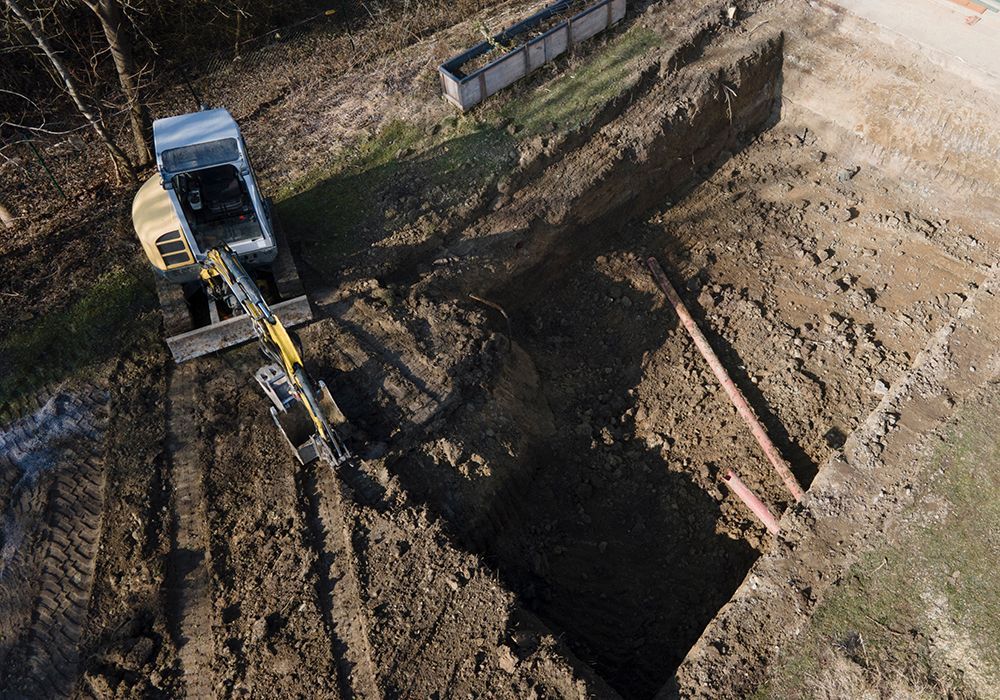
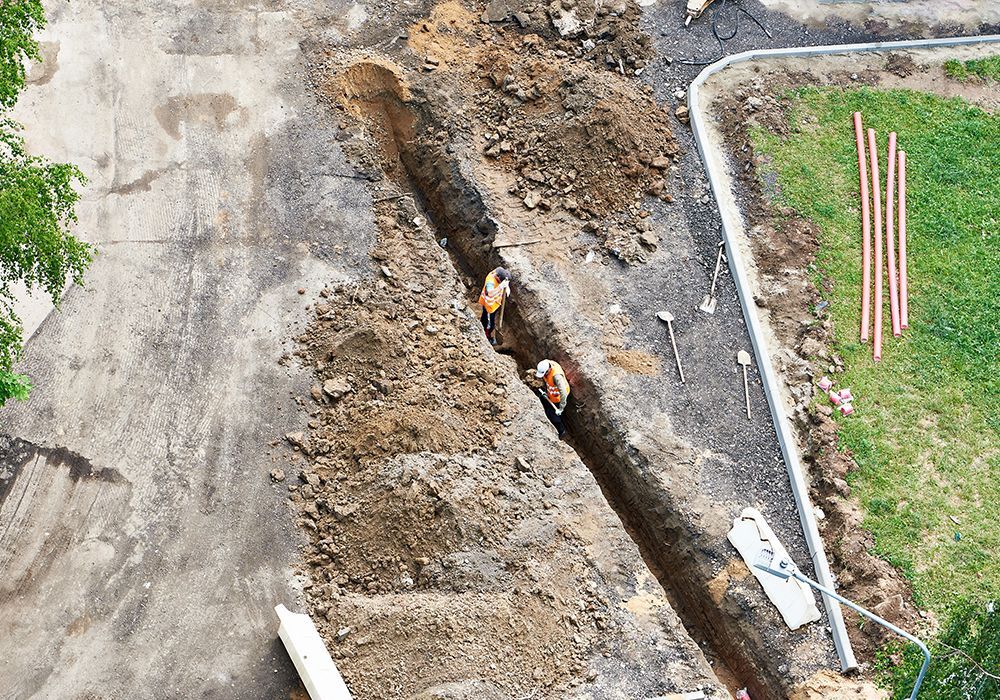
A perc test puts a number on that. Test holes are dug at the depth of the planned drain field, soaked, and then the drop in water level is timed. The result is usually expressed in minutes per inch.
Who Requires a Septic Perc Test in Arizona
Arizona Department of Environmental Quality rules require a site investigation before an on-site wastewater system is built. In Maricopa County, permits for those systems go through the county environmental services department. The investigation can include perc tests, deep test pits to look at soil layers, or both, and it is documented by a qualified designer or engineer who uses the results to size the system.
So if you are buying land for a new home, adding a guest house, or replacing a failed system, expect a septic perc test early in the process, before design and before the permit.
Why Caliche Changes the Results
This is where Arizona gets tricky. A lot of Valley ground has a layer of caliche, a cement-like crust of calcium carbonate that water barely passes through. A lot can look sandy on top and perc fine near the surface, then hit caliche a few feet down. If you want the full story on that layer, read our post on what caliche is and why it is so hard to dig.
When caliche or tight clay shows up in the test holes, the designer may call for a larger field, a different spot on the lot, or an alternative system. That is why the test has to happen at the right depth, not just wherever it is easy to dig.
A Real Story from a Lot Near Wittmann
A family bought five acres out past Wittmann to build their first home. The first test holes, dug by hand by a previous crew, stopped at the caliche because nobody could get through it. The results were useless.
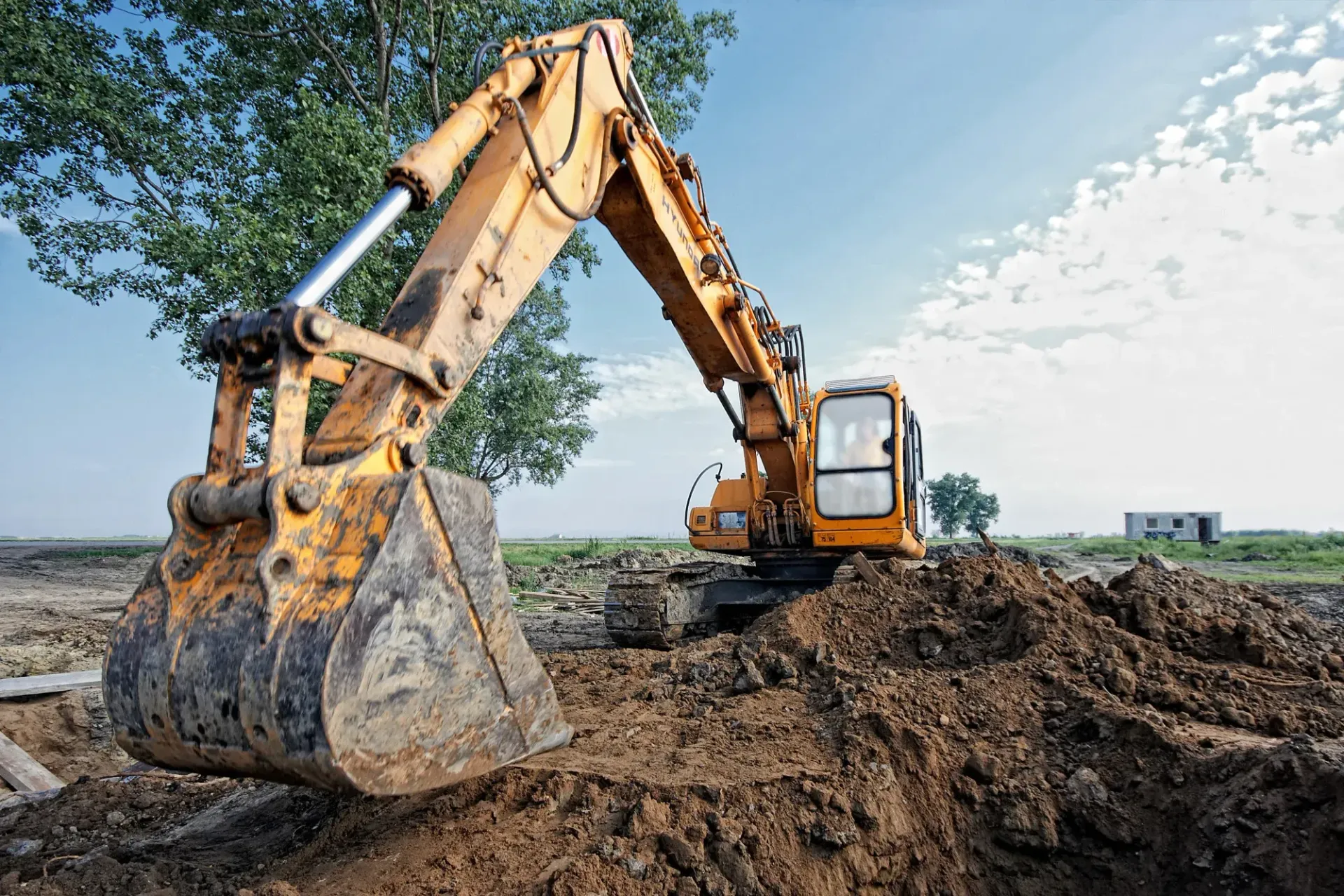
We brought a mini excavator with a rock hammer, opened up proper test pits to full depth, and the designer could finally see the soil layers. One corner of the lot had a thinner caliche layer and drained far better. The drain field moved there, the system was sized right, and the permit went through without a redo.
What a Perc Test Will Not Tell You
Being honest, a passing septic perc test is not a guarantee of a trouble-free system. Drain fields still fail when tanks are not pumped, when heavy equipment drives over the field, or when roots move in. And a test done in one corner tells you about that corner, not the whole lot.
Existing systems have their own rules. If you are selling a home with a septic system in Arizona, you are typically looking at an ADEQ transfer inspection, not a new perc test. And routine septic and grease pumping keeps a healthy field healthy.
Get Help With Your Septic Perc Test and Install
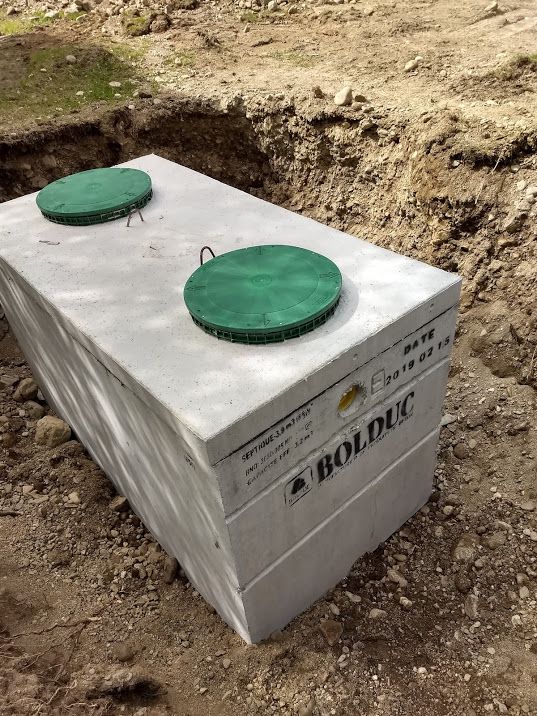
If you need test pits dug for a septic perc test, or you are ready for septic installation, call us. Phoenix Pro Excavating has more than 10 years of digging in Valley soil, the mini and full-size excavators and rock hammers to get through caliche, and we get you an estimate within 24 hours. Call 623-299-2172.
Frequently Asked Questions
How long does a septic perc test take?
The holes are presoaked before readings start, so plan on a day or two of site work, plus time for the designer to write up the results.
Can I fail a perc test in Arizona?
Slow soil does not always kill a project. It usually means a larger drain field, a different location or an alternative system.
Do I need a perc test to replace an existing septic system?
Often, yes, because the new system has to be designed to current rules. Your designer and the county will confirm what is needed.