What Is Over-Excavation for a Foundation? | Phoenix Pro Excavating
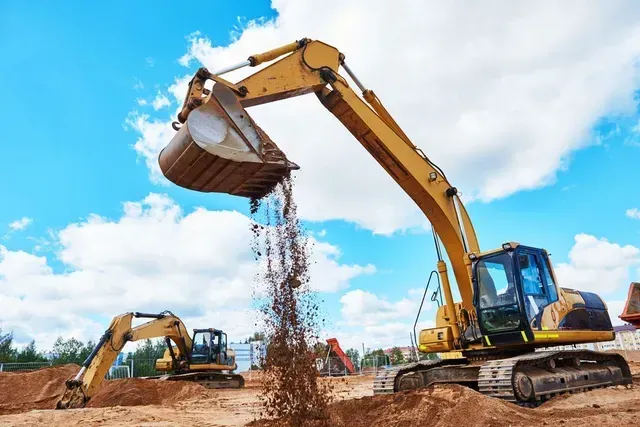
Over-excavation is when we dig deeper and wider than the foundation actually needs, remove the natural soil, and then rebuild the ground under the footings in thin, moisture-conditioned, compacted layers of engineered fill. In the Phoenix area it is required on a large share of new homes, additions and commercial pads because our native soils are either expansive clay that swells when wet or collapsible silt that drops when it gets saturated for the first time. Neither one is a soil you want to set a slab directly on.
Why Phoenix Soil Needs Over-Excavation
The Valley floor was built by rivers and flash floods over thousands of years, so the soil changes from lot to lot. West Valley areas like Buckeye, Goodyear and Surprise have a lot of loose, dry silt that has never been wet since it was deposited. Add irrigation, a leaking hose bib or one monsoon season, and it settles. East Valley and central Phoenix have more clay, which does the opposite: it swells when wet and shrinks when dry, lifting and dropping a foundation with the seasons. A geotechnical engineer drills borings, tests the samples and writes a soils report. If the report finds either condition, it will call for over-excavation, and it will tell us exactly how deep and how far past the footings to go.
Over-excavation is the longest single stage of preparing a pad, and it is only one of five. For the full sequence and a realistic calendar, see our post on how long site prep takes in Phoenix.
How Deep and How Wide
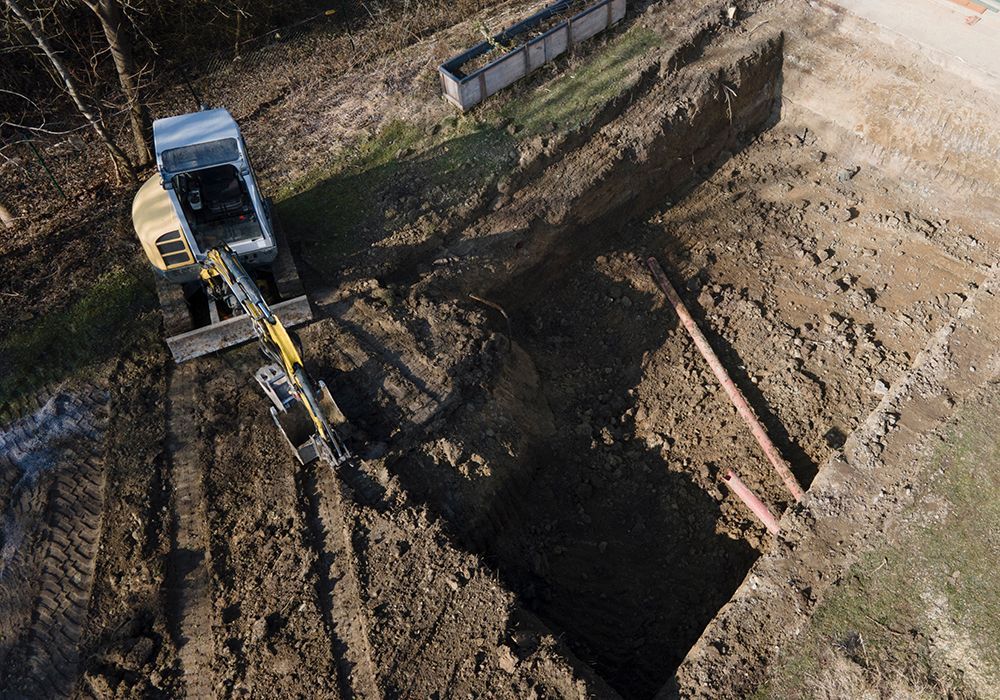
A typical residential over-ex spec in Maricopa County calls for removing soil two to four feet below the bottom of the footings and extending that removal three to five feet beyond the outside edge of the foundation on every side. Commercial pads and two-story homes on bad soil can go deeper. The extra width matters as much as the depth. Loads spread out at an angle below a footing, so the engineered zone has to be wider than the building to carry them. When a homeowner asks why we are digging up part of the yard that will never have a wall on it, that is the answer.
What We Put Back and How
Digging the hole is the easy part. Rebuilding the ground is the job. We scarify the bottom of the excavation, moisture-condition it to the target range in the soils report, and compact it. Then the fill goes back in lifts of six to eight inches, each one wetted to the right moisture content and compacted with a sheepsfoot or a vibratory roller before the next lift goes on. A third-party testing lab runs a nuclear density gauge on each lift and has to hit the spec, usually 90 to 95 percent of maximum dry density, before we are allowed to place the next one. If a lift fails, it gets reworked. This is the same method we use on every site preparation and grading project, but under a footing there is zero room to fudge it.
A Job in Buckeye That Shows Why It Matters
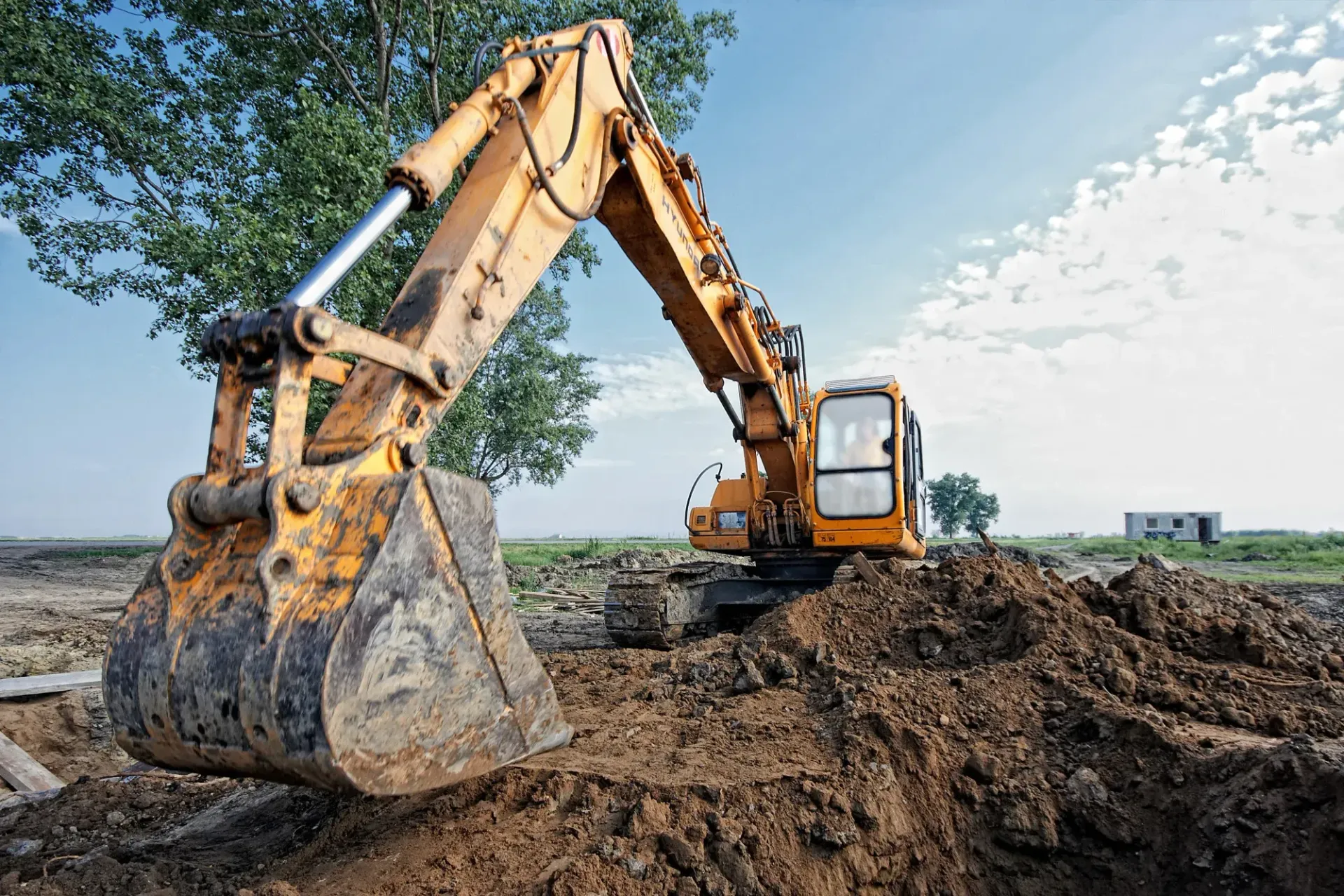
We did a foundation over-ex last year for a custom home on a lot near Verrado. The soils report called for three feet below footing and four feet beyond. About two feet down we hit a caliche layer, the cemented hardpan we wrote about in our post on why caliche is so hard to dig in Arizona. The rock hammer on our full-size excavator broke it out, but under the caliche was loose, bone-dry silt that would have collapsed the first time the landscaping ran. That silt is exactly why the engineer wanted the over-ex. We removed it, brought in select fill, and rebuilt the pad in lifts with the lab testing every one. The slab was poured on ground that had been proven, not guessed at.
When Over-Excavation Is Overkill
Here is the honest counterpoint. Not every lot needs it. If the borings find dense, well-graded granular soil with no collapse or swell potential, the engineer may allow the footings to bear directly on native ground after scarifying and recompacting the top foot. A good soils report tells you when you can skip it, and paying for a report on a lot that turns out to be fine is still worth it, because the alternative is finding out with cracks in your drywall three years later. What we do not recommend is skipping the report and hoping. Foundation repair on a settled slab costs many times what a proper foundation excavation would have.
A backfilled pool is the one place where over-ex can be avoided entirely, if the fill was compacted and tested the first time. See how that works in can you build on top of a removed pool.
Get Your Foundation Excavation Done Right by Phoenix Pro Excavating
Phoenix Pro Excavating has more than ten years and over 150,000 tons of dirt moved across Phoenix and the West Valley. We run mini and full-size excavators, rock hammers for caliche and hydrovac trucks for tight utility work, and we coordinate directly with your engineer and testing lab. Estimates are returned within 24 hours. If your soils report calls for over-excavation, or you need any of our Phoenix excavation services, call Phoenix Pro Excavating at 623-299-2172.
Frequently Asked Questions About Over-Excavation
Who decides if my lot needs over-excavation?
A licensed geotechnical engineer, based on a soils report from borings on your actual lot. The building department will want that report with the permit on most new construction.
How long does over-excavation take?
For a typical single-family pad, the dig and the rebuild in tested lifts usually take three to six working days, depending on depth, caliche and how fast the lab can test each lift.
Can the dirt we dig out be reused as fill?
Sometimes. If the native soil is granular and free of clay and debris, the engineer may approve it as fill after moisture conditioning. Expansive clay and loose silt usually have to be hauled off and replaced with select import.