Do I Need a Grading Permit in Maricopa County?
You need a grading permit in Maricopa County if you are moving a meaningful amount of dirt or changing where water runs, but which office issues it depends on three things: the jurisdiction your property sits in, how much ground you disturb, and whether the work affects drainage or a floodplain. Those are three separate questions with three separate answers, and people get in trouble assuming one answer covers all of them.
We have moved more than 150,000 tons of dirt around the Phoenix valley over the last ten-plus years, and permits are part of nearly every job. Here is the plain-English version.
Who Actually Issues Your Permit
This is the part that trips people up first. Maricopa County is not one authority. Depending on your address, you may be dealing with any of these.
• Your city, if you are inside city limits. Phoenix, Peoria, Surprise, Buckeye, Goodyear and the rest each run their own permitting and each has its own thresholds.
• Maricopa County Planning and Development, if you are in an unincorporated area.
• The Flood Control District of Maricopa County, if the work touches a wash, a floodplain, or regional drainage.
• Maricopa County Air Quality, for dust control, which is a separate permit from grading and applies far more often than people expect.
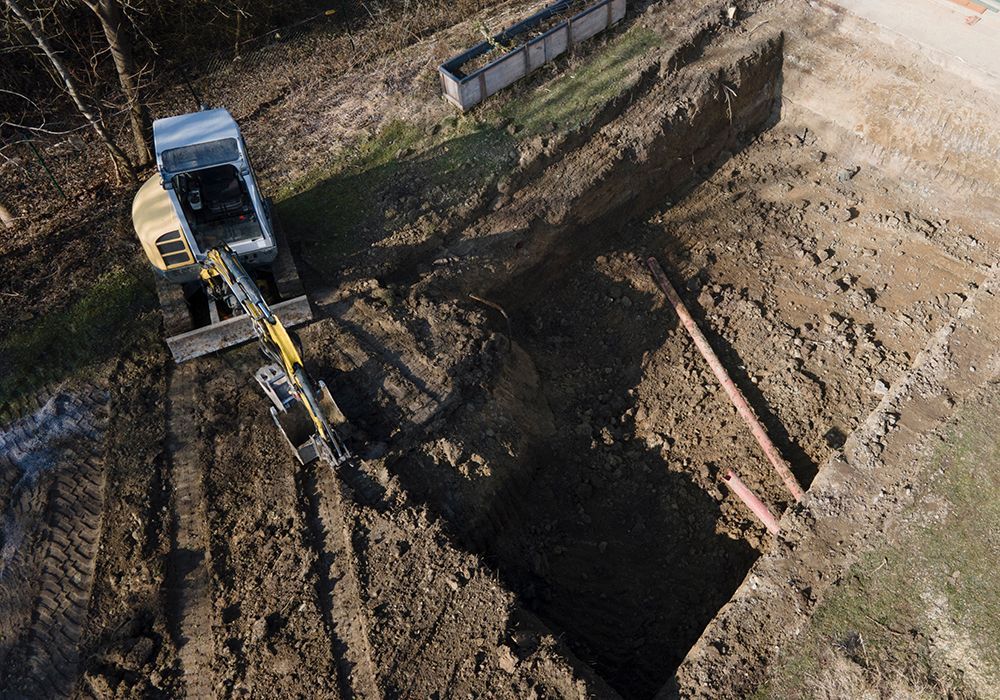
On new construction the permit set usually includes a soils report, and that report often calls for more than a grading plan. If it finds expansive clay or collapsible silt under the building pad, it will require digging below and beyond the footings and rebuilding the ground in tested lifts. We explain that process in our post on what over-excavation is and why Phoenix foundations need it.
The Dust Permit Catches More People Than the Grading Permit
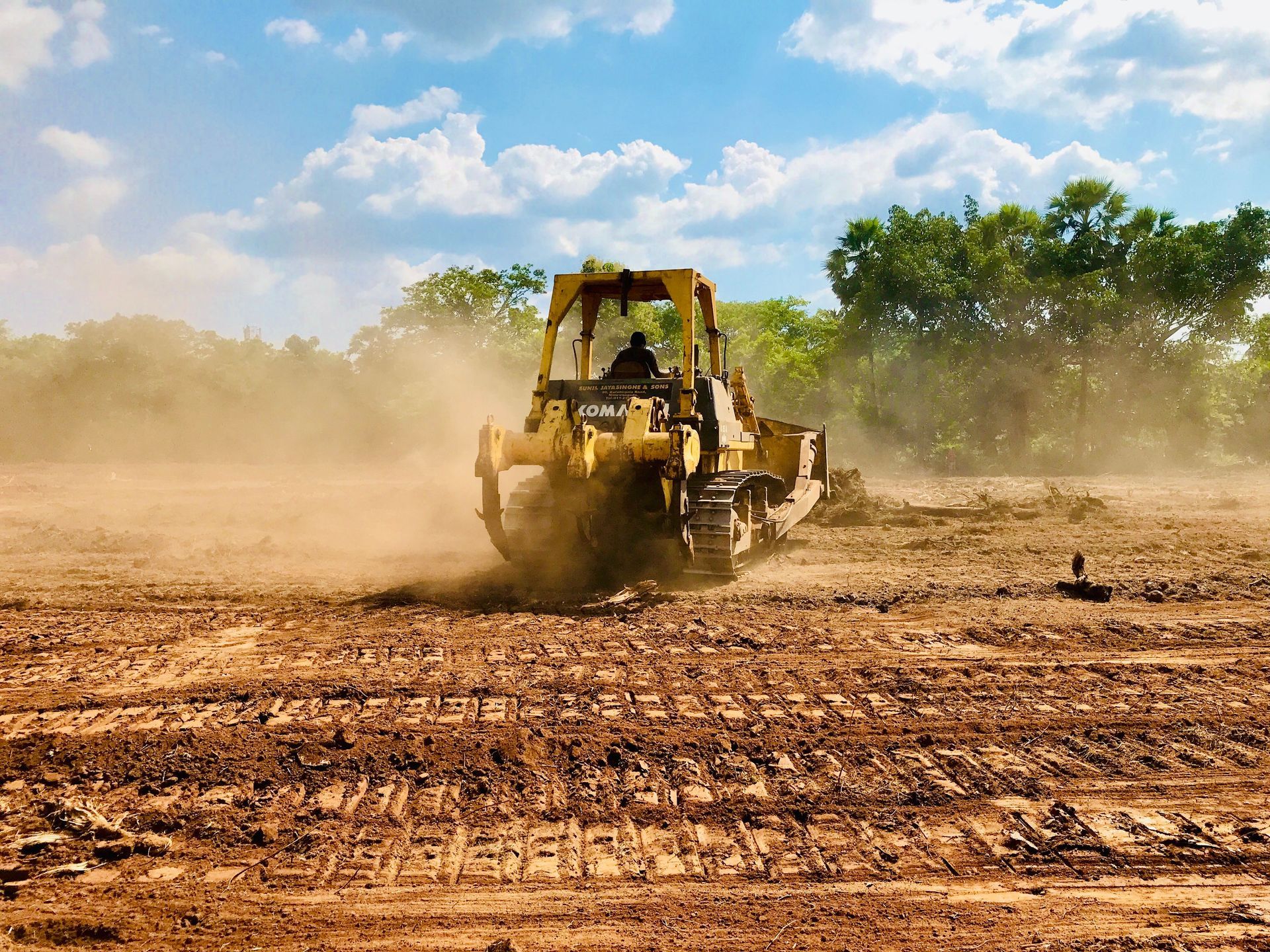
This is the one homeowners and small contractors miss. In Maricopa County, a dust control permit is required for dust generating operations that disturb 0.1 acre or more, which is about 4,356 square feet. That is a lot smaller than most people picture. A modest lot clearing or a big driveway can hit it.
And regardless of size, any operation capable of generating fugitive dust has to control it. The county takes this seriously because the valley has long-standing air quality obligations, and enforcement is real. A licensed excavation contractor should be handling this for you as part of the job, not leaving it in your lap.
If you are clearing ground, our land clearing crews build the dust plan into the work.
A Job in the West Valley Where the Permit Question Changed the Design
A property owner called us about leveling a sloped back acre so he could put up a shop building. Straightforward dirt work on the face of it.
When we walked it, the low corner of the lot was where his neighbor's runoff crossed the property line during storms. Leveling it the way he described would have pushed that water back toward the neighbor's pad. That is not just a permitting issue, it is the kind of thing that turns into a dispute years later.
We adjusted the plan to keep a swale along that edge and set the pad a little higher, submitted it that way, and it went through without a fight. The permit process is what surfaced it. That is the part people never expect to be grateful for.
The Honest Counterpoint: Not Every Job Needs a Grading Permit
I am not going to tell you to pull a permit for everything, because that is not true and you would stop believing me.
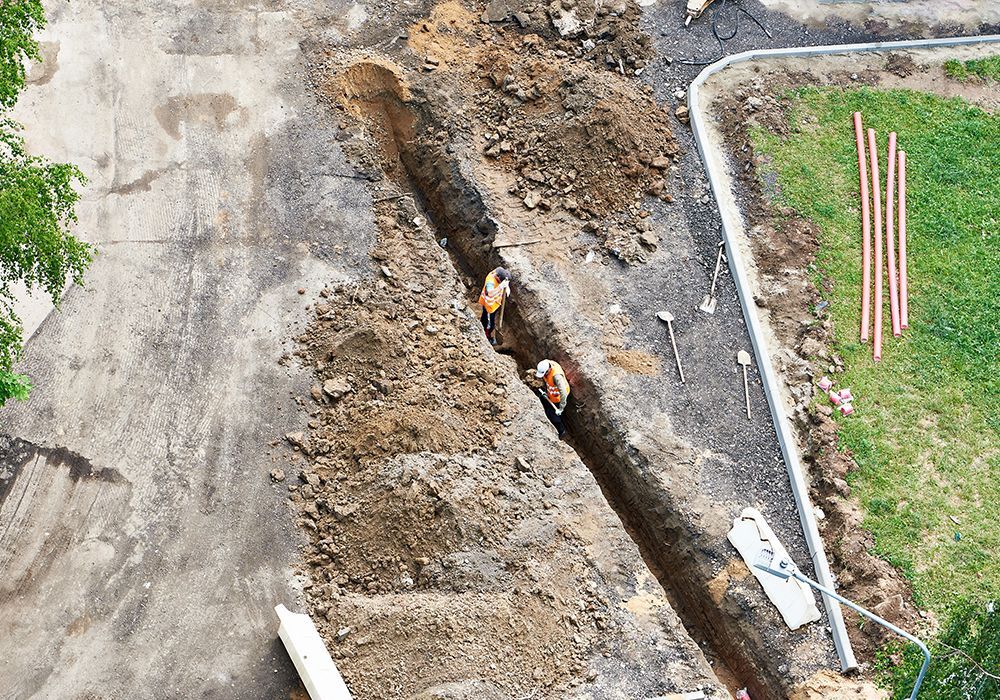
Small landscape work, digging a footing for a shed, or minor leveling that does not change drainage and does not hit the disturbance threshold generally does not require a grading permit. Trenching for a utility line is usually permitted under the utility work, not as grading, though you still have to call 811 first. And routine dirt work inside an already-graded pad is normally fine.
The line is not really about volume. It is about whether you are changing where water goes. If your project moves water toward a neighbor, a street, or a structure, expect a permit and expect a drainage review. Our post on yard grading and monsoon drainage explains why that matters here more than in most places.
What to Do Before You Break Ground
Three calls, in this order. First, call your jurisdiction and ask specifically what triggers a grading permit at your address, because the thresholds differ. Second, call 811 at least two working days before you dig. Third, call an excavation contractor and get the plan reviewed before you commit to a design, not after.
That third one saves the most money. Redrawing a plan on paper costs nothing. Redoing a pad costs real time and machine hours. If you need pad work, site preparation and grading is what we do most, and for anything that ends up under a structure, foundation excavation has its own inspection requirements on top of the grading permit.
Call Phoenix Pro Excavating
If you are not sure whether your project needs a grading permit, tell us the address and what you are trying to do. We will tell you which office you are dealing with and what it takes. We get estimates back within 24 hours.
Call Phoenix Pro Excavating at 623-299-2172. Mini and full-size excavators, hydrovac trucks, rock hammers, and caliche specialists who know what is under your dirt.
Frequently Asked Questions
How long does a grading permit take in the Phoenix area?
It varies widely by jurisdiction and by how complete the submittal is. A simple residential grading plan can move in a couple of weeks. Anything involving drainage review or a floodplain takes considerably longer, so build that into your schedule.
What happens if I grade without a permit?
Stop-work orders, fines, and in the worst case an order to restore the site to its original condition. It also surfaces at resale, and unpermitted grading that changed drainage can leave you exposed if a neighbor takes on water.
Do I need a dust permit for a small residential job?
In Maricopa County, if you disturb 0.1 acre or more, a dust control permit is required. Below that you still have to control dust, you just do not need the permit. Ask your contractor to confirm before work starts.