What Is the Best Time of Year to Excavate in Phoenix?
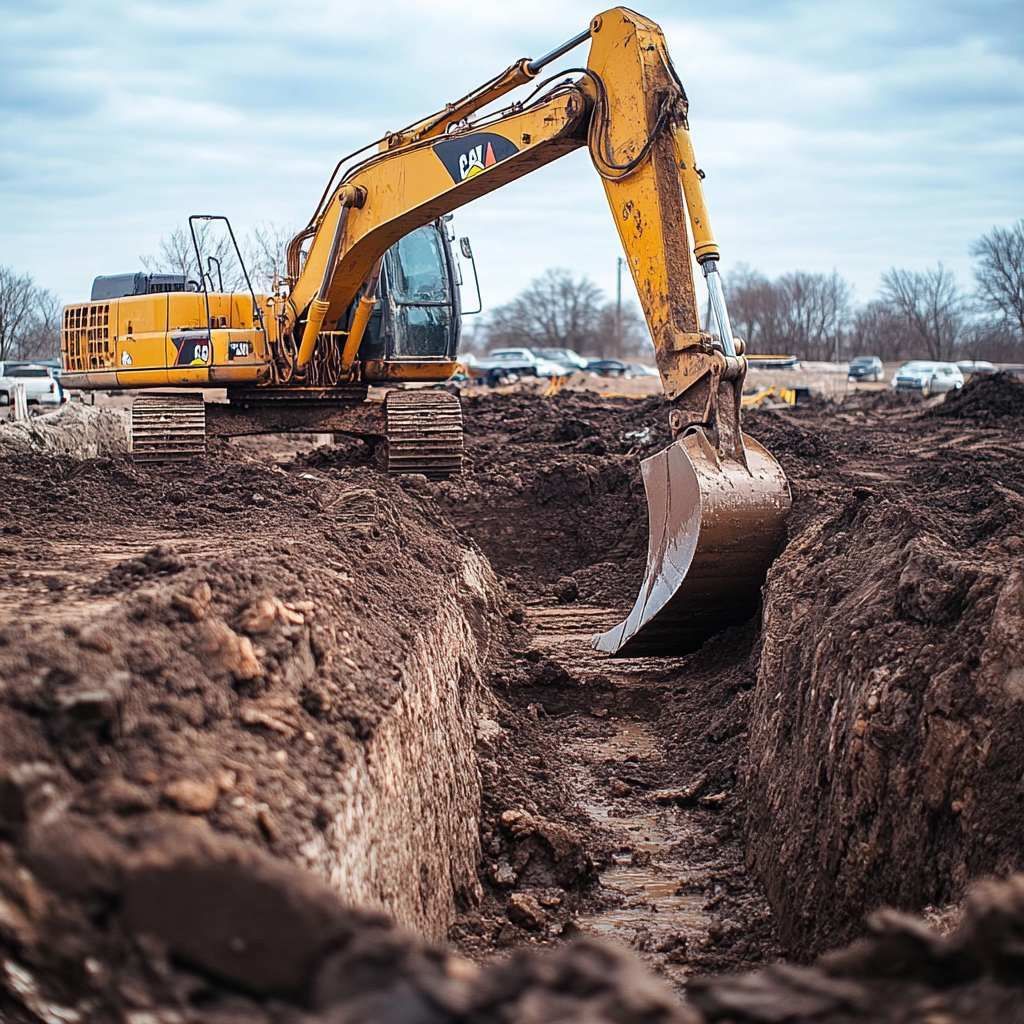
The best time of year to excavate in Phoenix is October through April, when the ground is dry, the days are workable from sunup to sundown, and there is no monsoon in the forecast. That said, we dig twelve months a year. Summer excavation just means early starts, shorter days for the crew, and a plan for storms. If your project is ready in July, waiting until fall rarely makes sense. Here is how each season actually affects the dig.
Fall and winter: the easy season
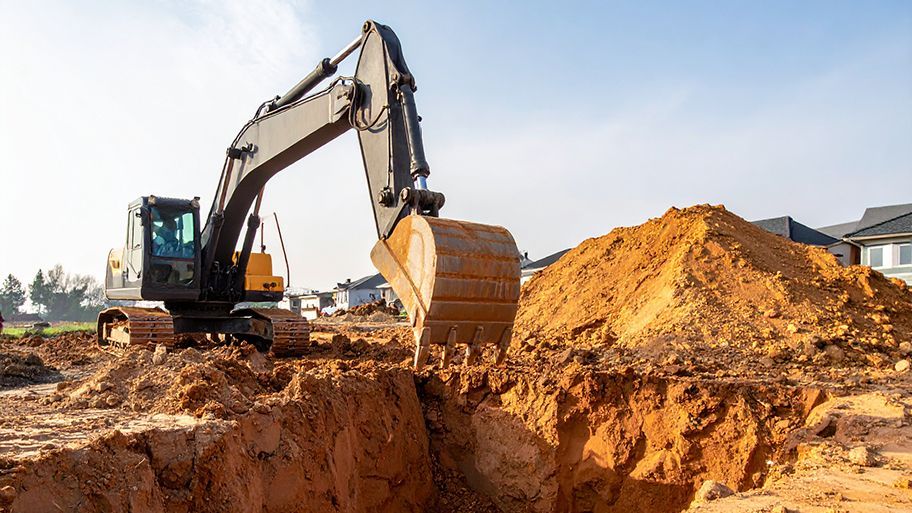
From late October into March, Phoenix excavation is about as good as it gets anywhere in the country. The soil is dry and stable, trenches hold their walls, equipment runs cool, and a crew can work a full day. Concrete cures evenly, so the pour side of a job lines up with the dig. The only catch is that everyone knows this, so schedules fill up. Builders, pool companies and utility contractors all push work into these months. If you want a fall start, get on the calendar in late summer. We give excavation estimates within 24 hours, which helps when you are trying to lock a date.
Spring: the sweet spot before the heat
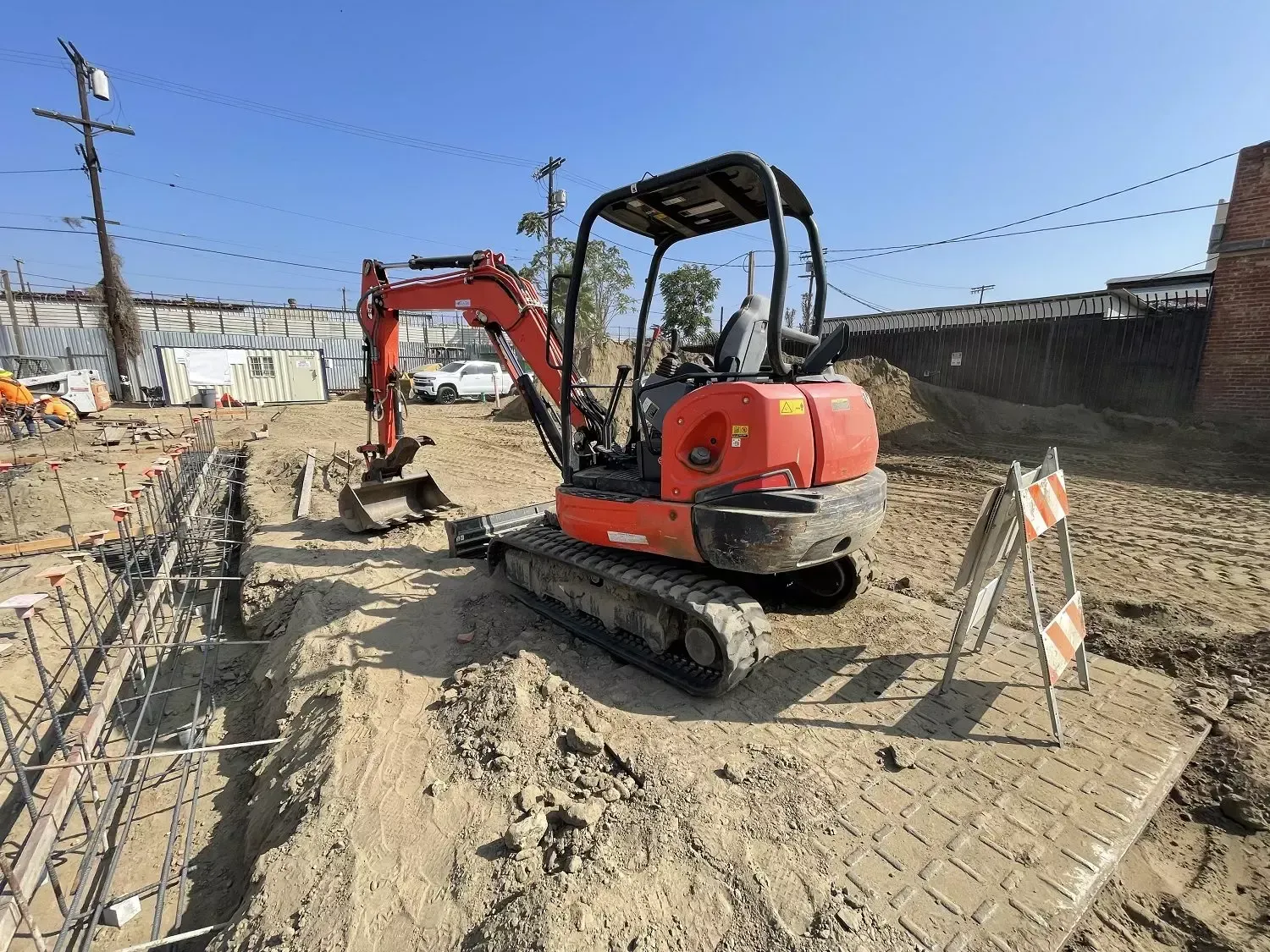
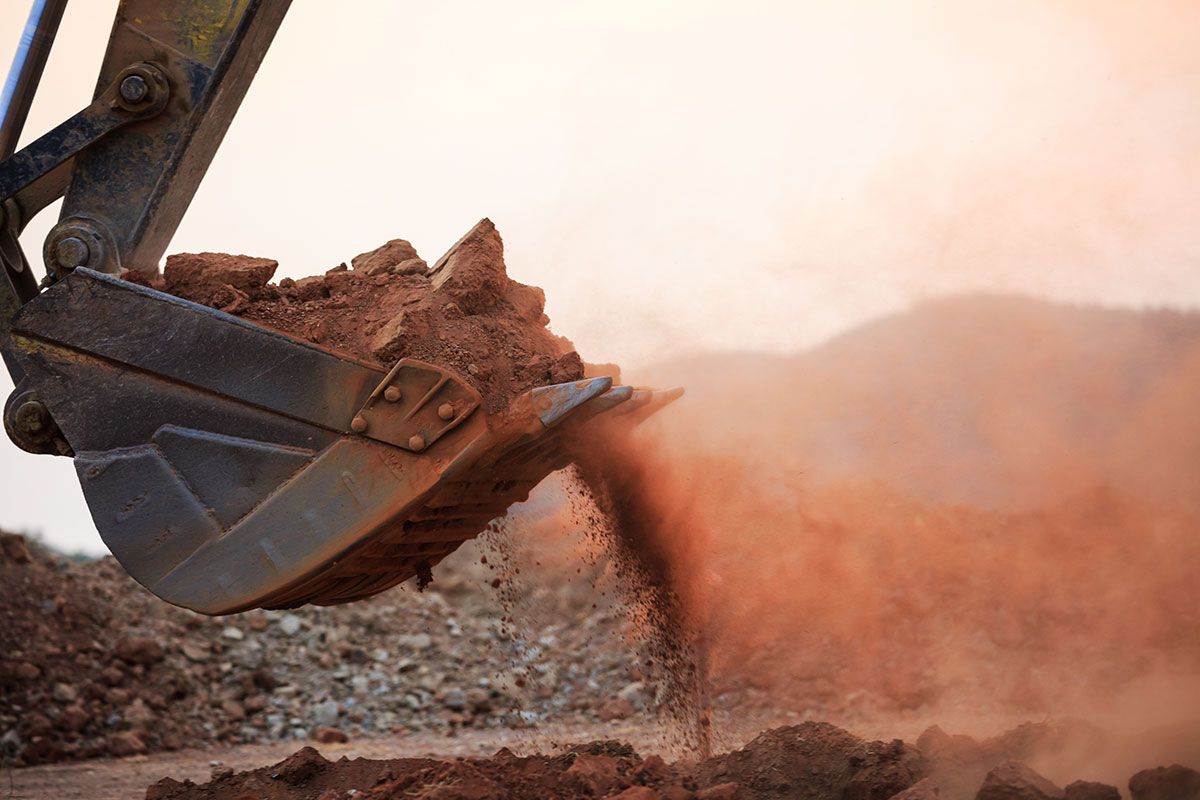
March through May is prime time for residential work. Days are long, mornings are cool, and the winter rains, when we get them, have passed. Ground moisture is low, which matters for caliche. Dry caliche is hard, but it is also predictable, and our rock hammers and hydrovac trucks are built for it. Spring is when we do most pool digs, footing excavation and backyard trenching, because homeowners want the project done before summer.
Summer: doable, with a few rules
June through September is the season people ask about most. Yes, we excavate in the summer. The crew starts at first light and is done by early afternoon, so a one-day January job may take a day and a half in July. Equipment and operators both run hotter, so we build in water, shade and breaks. The bigger issue is monsoon. A storm cell can drop an inch of rain on an open trench in twenty minutes, collapse the sidewalls, and leave you pumping mud the next morning. In July and August we watch the radar every afternoon, close or cover trenches before we leave, and plan utility trenching so the pipe goes in and gets backfilled the same day whenever possible. Done that way, summer work goes fine. It is only the open, unattended hole that gets you.
A Litchfield Park pool dig in August
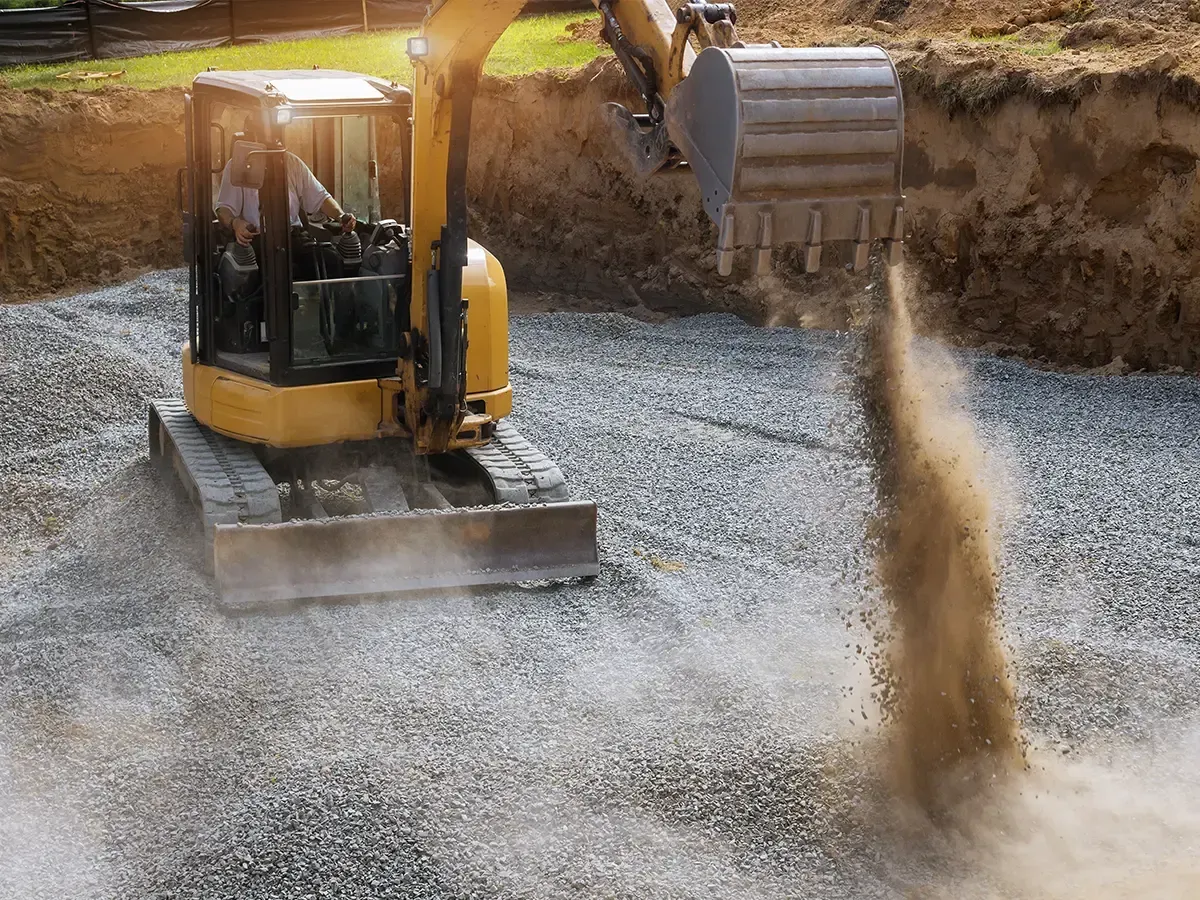
A family in Litchfield Park wanted their pool dug in August so it would be swimmable the next spring. We started at five in the morning, had the shell shape cut by noon on day two, and watched a storm roll in the second afternoon. Because the crew had already sloped the cut and the shotcrete crew was scheduled for the next morning, the rain ran off instead of pooling and the shell went in on time. Someone else had told them to wait until October, which would have pushed the project into the busiest season. Timing is about planning, not the calendar.
When waiting really is the better call
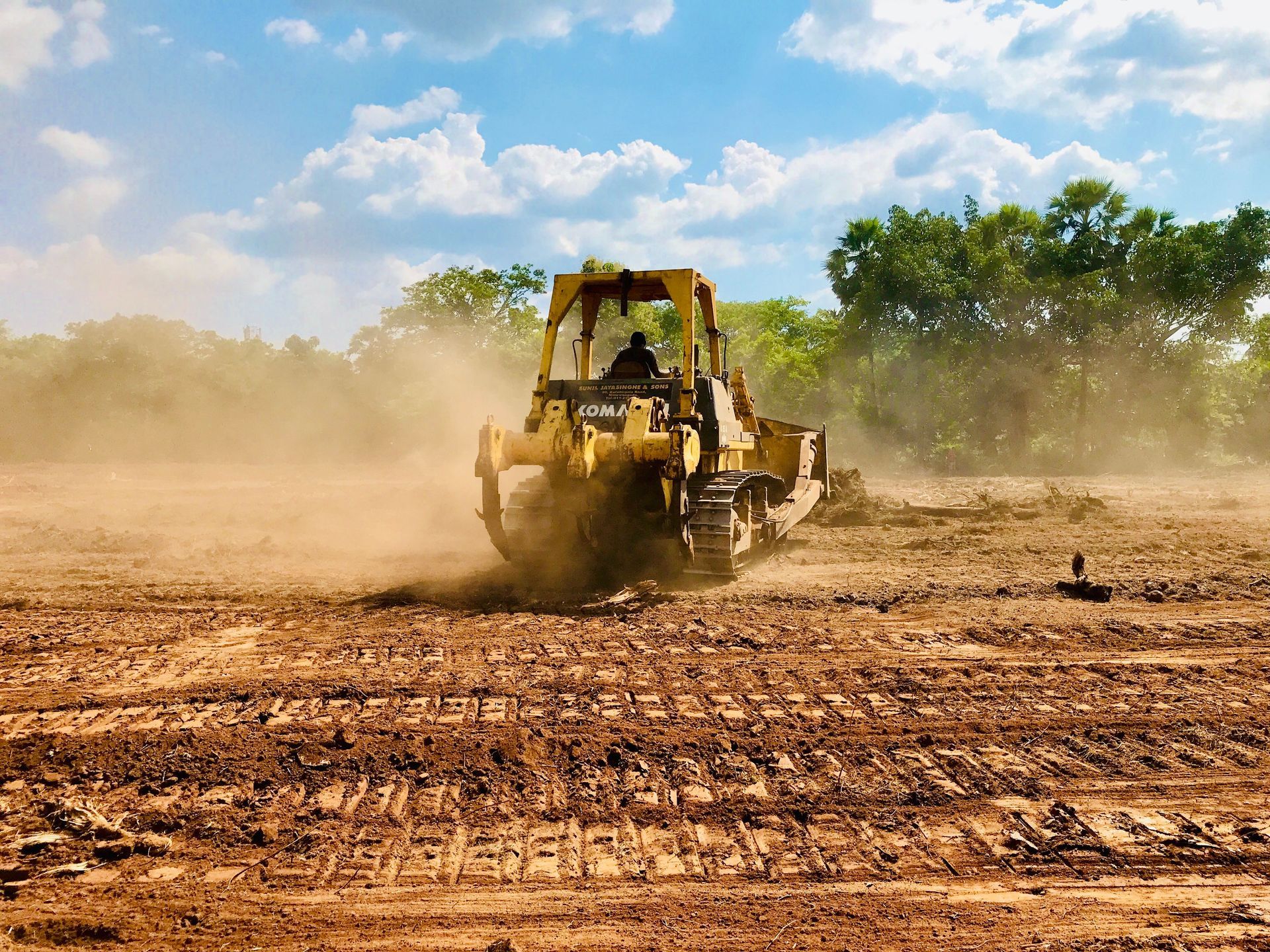
Here is the honest side. Some jobs should wait. Large grading projects that leave acres of bare soil open are a dust-control headache in June and a washout risk in August, so we would rather do those in the cool months. Septic installs on properties with poor drainage are easier when the ground is dry and the water table is at its lowest, which is winter here. Deep trenches that cannot be backfilled the same day are a monsoon risk and belong in the dry season. And if a project has no deadline, fall simply costs less in crew hours because the days are full and nobody is working in 115 degree heat. We will tell you which category your job is in.
Picking the best time of year to excavate for your project
• Book fall and winter work six to eight weeks ahead. Those months fill first.
• Summer jobs start before sunrise. Expect the crew gone by early afternoon.
• Monsoon weeks may add a weather day. We plan for it so you are not surprised.
• Permits, Blue Stake marking and soils reports take the same time in any season. Start those first.
• Concrete and backfill crews need to line up with the dig. We coordinate that so the hole is not open any longer than it has to be.
Ready to dig in any season?
Phoenix Pro Excavating has more than ten years and over 150,000 tons of moved dirt behind us across Phoenix and the West Valley. Mini and full-size excavators, hydrovac trucks, rock hammers and a crew that knows caliche. Call 623-299-2172 and we will have an estimate to you within 24 hours.
Frequently asked questions
Is it safe to excavate during monsoon season?
Yes, with planning. We watch forecasts daily, slope and cover open cuts, and backfill trenches the same day where possible. The risk is an open trench left overnight in a storm, not the digging itself.
Does hot weather make caliche harder to dig?
Caliche is hard year-round. Dry conditions actually make it more predictable. What summer changes is the crew's workable hours, not the rock.
How far ahead should I schedule a fall excavation?
Six to eight weeks is a safe window for October through December. Spring books up a little slower but is still busy. Summer usually has the most open dates.
The best time of year to excavate in Phoenix is the cool, dry season, but the right time is when your project, your permits and your crew are ready. Plan around the heat and the storms and any month works.
Contact Phoenix Pro Excavating
Phoenix Pro Excavating
11801 N Tatum Blvd, Suite E
Phoenix, AZ 85028
Phone: 623-299-2172
Stay connected with Phoenix Pro Excavating for excavation tips, project updates, and helpful information for property owners and contractors across the Phoenix area.
Follow Phoenix Pro Excavating Online: