How Deep Does a Trench Need to Be in Arizona?
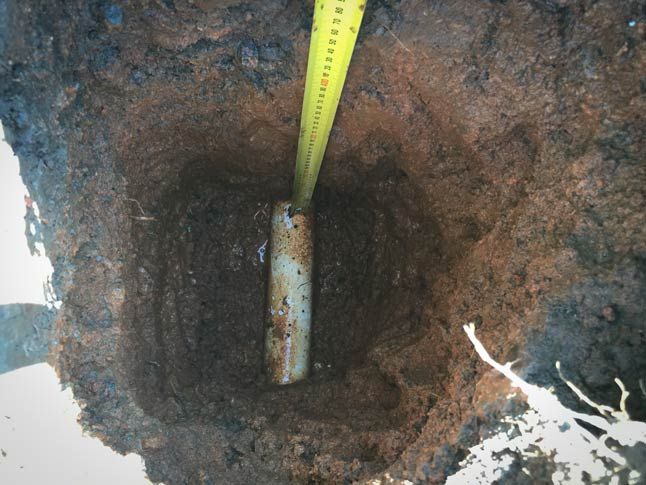
How deep a trench needs to be in Arizona depends on what is going in it. For most residential work, trench depth runs about 18 to 24 inches for direct-buried electrical, roughly 24 to 30 inches for a water service line, and 12 to 18 inches for irrigation. Those are cover depths measured from finished grade to the top of the line, and the exact number depends on how the line is protected and which jurisdiction you are in.
Honest thing up front: in this state the number in the code book is often the easy part. Getting to that depth through caliche is what decides how the day goes.
Depth Is About Protection, Not Frost
Most trench depth guidance online was written for climates where the frost line drives everything, which is why national articles quote 48 or 60 inches. Phoenix does not have that problem. Our depths come from physical protection instead: keeping a line below a shovel, a fence post, a landscape auger, or the weight of a vehicle. A national depth chart will often have you digging far deeper than anything here requires.
Damage prevention comes first regardless of depth. Before any of this matters, you call 811, and we cover why in calling 811 before digging.
Typical Depths by What Is Going in the Trench
• Direct-buried residential electrical: commonly 24 inches of cover, typically 18 in PVC conduit and considerably less in rigid metal conduit.
• Under a four-inch slab with no vehicle traffic: often around 18 inches, since the slab does part of the protecting.
• Water service from the meter to the house: generally 24 to 30 inches, deeper under a driveway.
• Gas line: usually 18 to 24 inches, with the utility or a licensed gas contractor setting the requirement.
• Sewer and drain lines: slope sets the depth, not a cover number. The line falls at a consistent grade from fixture to connection, so the far end can end up several feet down.
• Landscape irrigation: 12 to 18 inches, deeper under anything you drive on. Low-voltage lighting and communications can be shallower, though still below shovel depth.
Two things to keep in mind. Depth is measured to the top of the pipe, not the bottom of the trench, so you dig deeper than the number. And confirm with your jurisdiction and the utility first, because requirements differ across Phoenix, Maricopa County and every West Valley city. A trench that fails inspection is a trench you dig twice.
Caliche Is the Real Variable
Here is what trips people up on Valley trenching. You can be moving fine in loose soil at ten inches and hit caliche that will not yield to a standard bucket. Caliche is calcium carbonate cemented into the soil, and in places it is close to concrete.
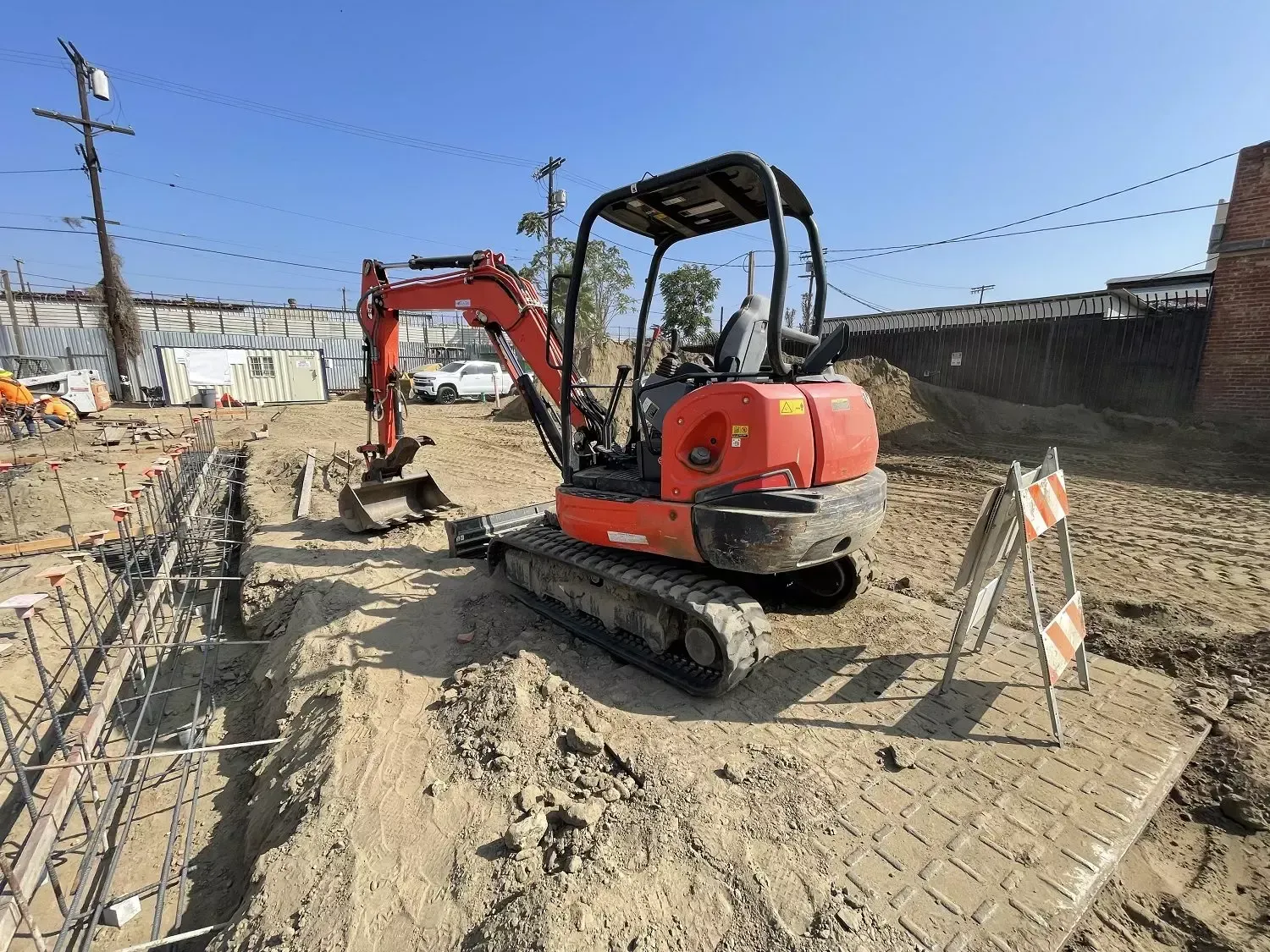
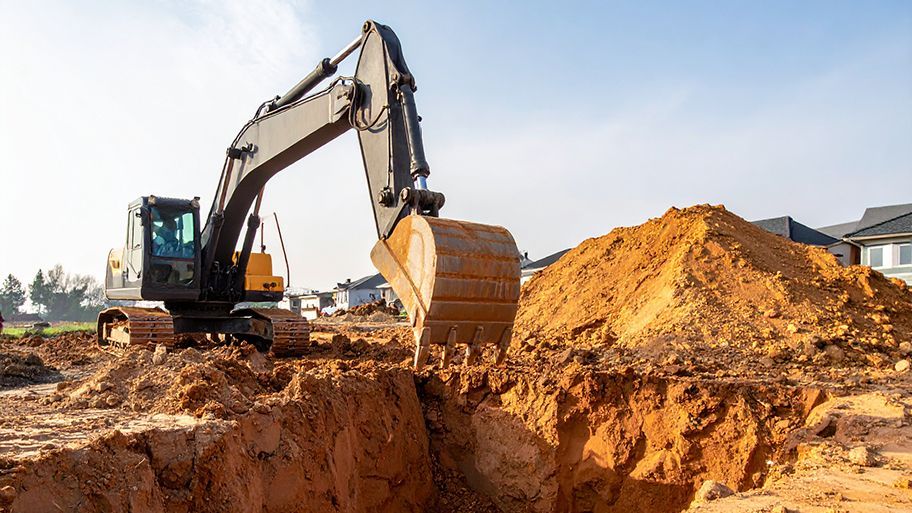
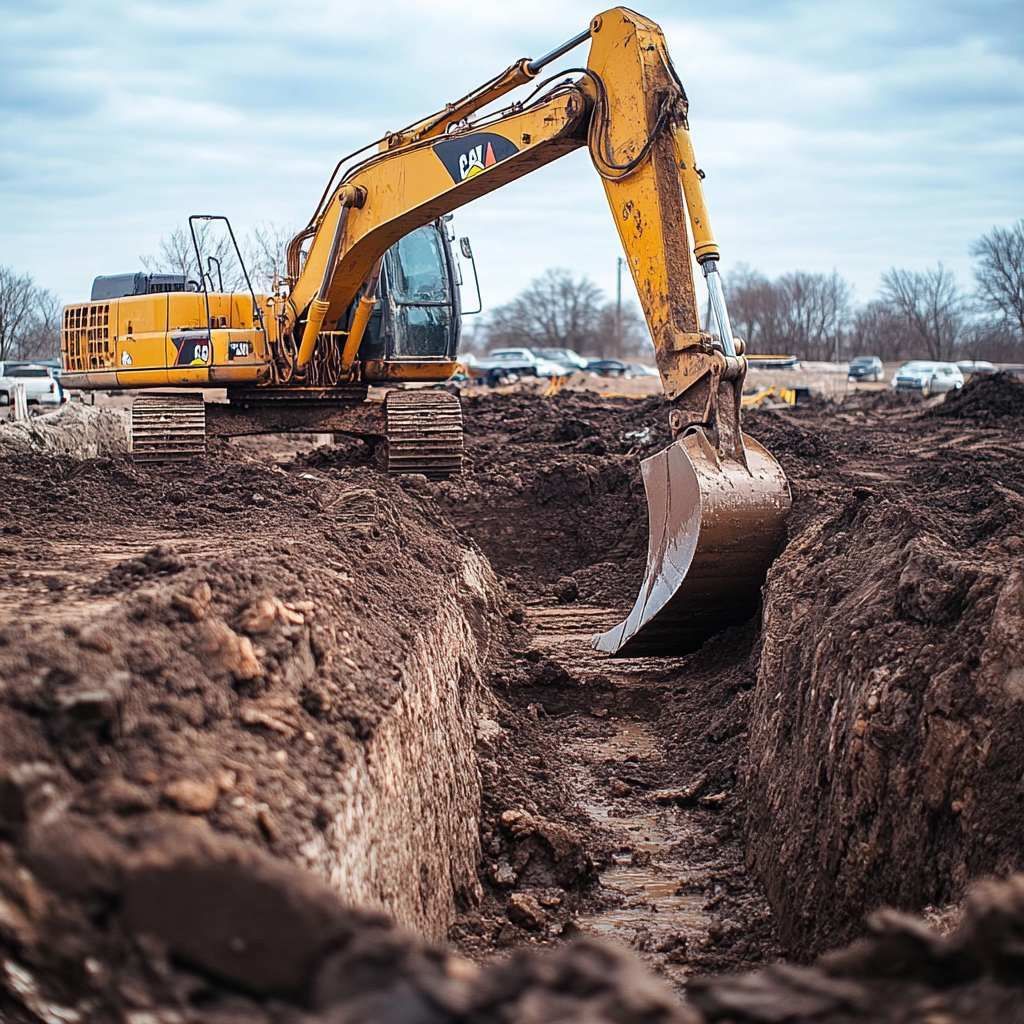
We ran trench for a detached casita past Buckeye where the first 60 feet went in a single morning. The last 40 hit caliche about 14 inches down and took the rest of that day plus part of the next with a rock hammer. Same trench, same target depth, completely different job.
That is why we are careful quoting trenching. Anybody committing to a firm number without knowing what is under the surface is guessing.
The Honest Counterpoint: Deeper Is Not Automatically Better
People sometimes ask us to go well past the required depth on the theory that deeper is safer. Usually it is not. Trenches deeper than five feet generally require a protective system for anyone working in them, which changes the crew, the equipment and the safety plan. Deeper also means more spoil, more backfill, more compaction, and a bigger repair excavation the day something needs service.
Backfill that is not compacted properly settles, and settled backfill over a deep trench shows up as a trough in your yard or a crack in your driveway a year later. Compaction matters more than an extra six inches.
The exception: if the trench runs under a driveway, an RV pad, or anywhere heavy equipment crosses, go deeper and use conduit. That is the one place the extra depth pays for itself.
Get a Straight Answer on Your Trench
If you are running power to a shop, water to a casita or irrigation across a new lot, tell us what is going in the ground and where. We will tell you what depth it needs and what we expect the digging to be like, with an estimate back within 24 hours.
Call Phoenix Pro Excavating at 623-299-2172. More than 10 years in the Valley, over 150,000 tons of dirt moved, running mini and full-size excavators, hydrovac trucks and rock hammers. Caliche and hard digs are our specialty rather than our excuse. We handle utility trenching in Phoenix, and where a trench crosses existing utilities we use hydrovac excavation to expose lines without touching them. If the lot also needs bringing to grade, that is our site preparation and grading crew.
Frequently Asked Questions
How deep does an electrical trench need to be in Arizona?
For direct-buried residential branch circuits, 24 inches of cover is the common requirement, and PVC conduit typically brings that to 18. Depths change under slabs, under driveways and for higher voltage. Your inspector has the final word, so confirm before you backfill.
Do I need a permit to dig a trench on my own property?
Often yes, depending on what the trench is for. Electrical, gas, water service and sewer work generally require permits and inspection in Valley jurisdictions. Landscape irrigation usually does not. Calling 811 is separate from permitting, required either way, and free.
How long does trenching take in caliche?
It can double or triple the time, depending on how thick the layer is and how deep it starts. A run that takes a morning in loose dirt can take two days with a rock hammer. That is why we walk the site before committing to a schedule.
Contact Phoenix Pro Excavating
Phoenix Pro Excavating
11801 N Tatum Blvd, Suite E
Phoenix, AZ 85028
Phone: 623-299-2172
Stay connected with Phoenix Pro Excavating for excavation tips, project updates, and helpful information for property owners and contractors across the Phoenix area.
Follow Phoenix Pro Excavating Online: