What Is Hydrovac Excavation and When Do You Need It?
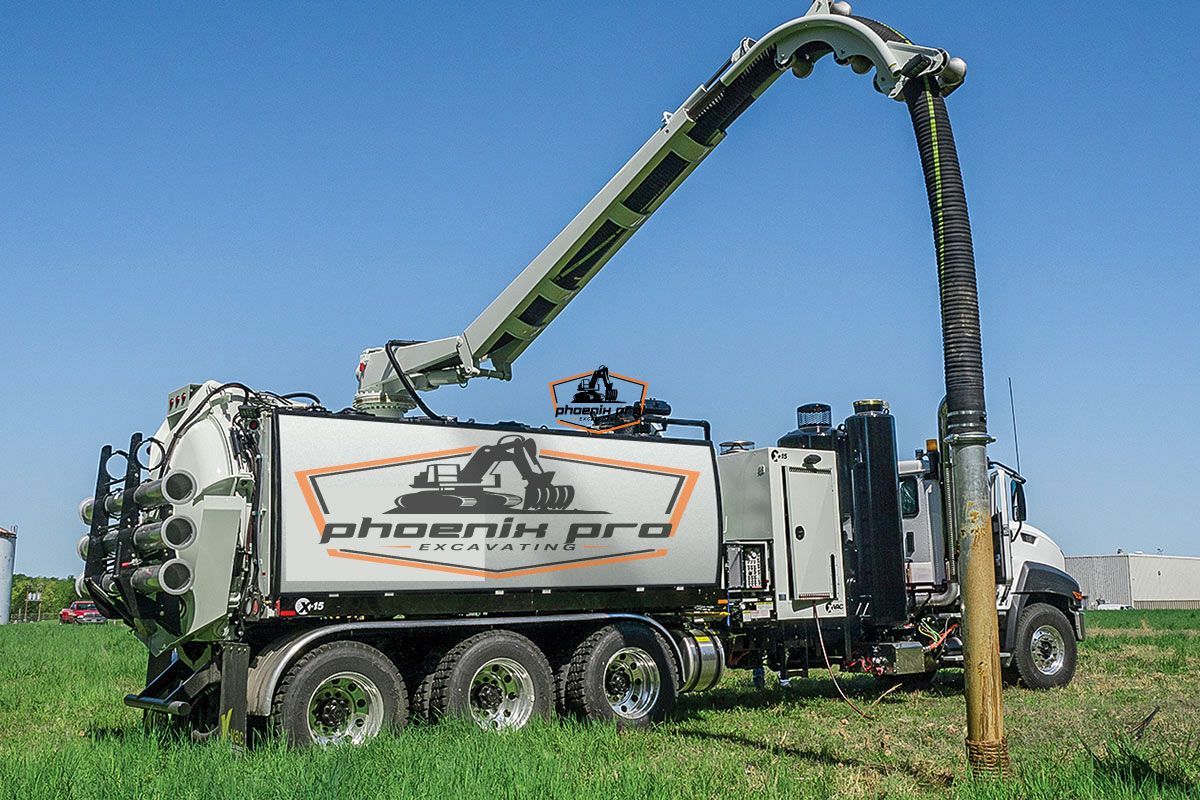
Hydrovac excavation is a way of digging that uses high-pressure water to loosen the soil and a powerful vacuum to pull it out, so buried pipes and wires get exposed without a metal bucket ever touching them. You need it any time you are digging near gas, water, sewer, electric, or fiber lines, or any time a utility strike would be dangerous, expensive, or both.
I own Phoenix Pro Excavating, and after more than 10 years and 150,000-plus tons of dirt moved around Phoenix and the West Valley, hydrovac is the tool I reach for when the ground is hiding something important. Here is how it works, when it makes sense, and when it honestly does not.
How Hydrovac Excavation Works
A hydrovac truck carries three main things: a water tank, a high-pressure water wand, and a big vacuum hose hooked to a debris tank. The operator sprays a tight stream of water that breaks up the soil, and the vacuum pulls the wet dirt into the tank right away. What you get is a clean, exact hole, usually about a foot square, with the pipe or cable sitting there in plain sight, untouched.
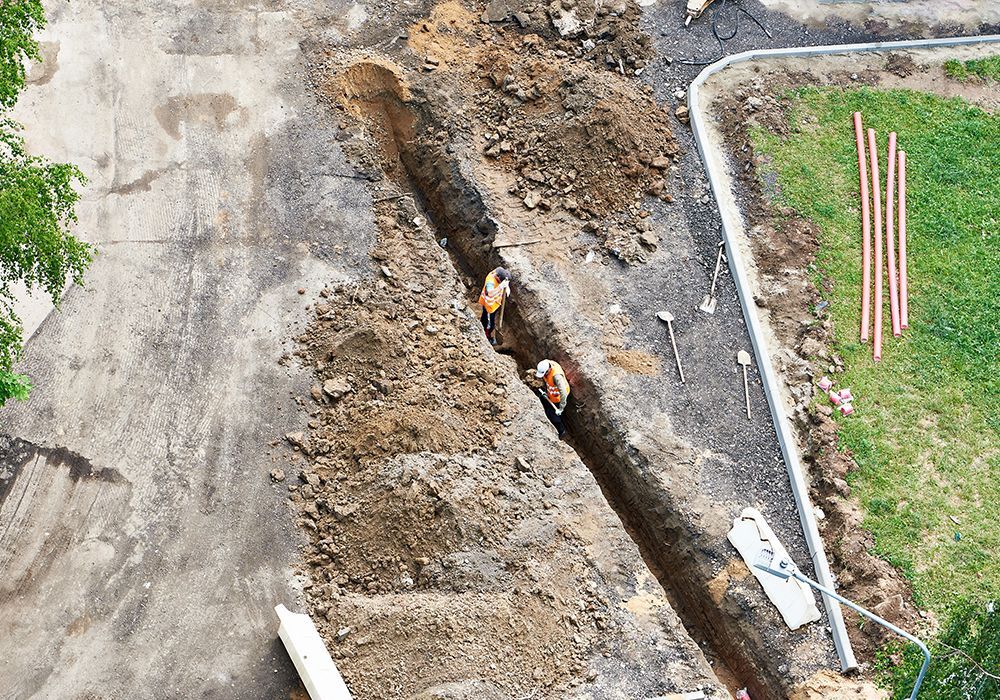
We use it for two main jobs. Potholing means opening a small test hole to confirm exactly where a line sits and how deep it runs. Daylighting means exposing a longer stretch of a line so crews can inspect it or work on it. Our hydrovac excavation crews in Phoenix do both every week. And because the water pressure chews through caliche, it works in the hard desert soil that makes hand digging around here miserable.
When You Need Hydrovac Excavation in Phoenix
Here are the situations where I tell customers hydrovac is the right call:
• You are digging within a few feet of marked gas, electric, water, sewer, or fiber lines.
• You need to pothole and verify utility depth before trenching or directional boring.
• You are working in older neighborhoods in Glendale, Peoria, or Tolleson, where lines often sit shallower than the records say.
• The dig spot is tight, like between a house and a block wall or right next to a meter, where an excavator cannot swing safely.
• Arizona 811 marked the area, but you need the exact depth, not just the paint line on the surface.
Hydrovac also pairs well with regular trenching. On many jobs we pothole the utility crossings with the hydrovac first, then run our utility trenching equipment through the safe zones at full speed. If you are planning a trench project, our guide to utility trenching in Phoenix walks through the whole process.
The Fiber Line Nobody Knew About
A while back we trenched power out to a workshop on a property in Goodyear. Arizona 811 came out, marked everything, and the path looked clear. But something about the route bugged me. The lot next door had new fiber service, and the pedestal sat awfully close to our line. So we potholed with the hydrovac before trenching. Sure enough, about 18 inches down, right in our path, there was an unmarked fiber conduit feeding half the street.
Ten minutes of hydrovac work saved that neighborhood's internet, and it saved my customer a repair bill and a giant headache. That is the whole value of this method in one story: you spend a little up front to know, instead of a lot later to fix.
When You Don't Need Hydrovac (An Honest Answer)
I will be straight with you: hydrovac is not the answer for everything, and it costs more per yard of dirt than a machine with a bucket. If you are digging a pool in an open backyard, cutting a building pad, or clearing brush and stumps off an acre lot, a regular excavator is faster and cheaper. Our land clearing and grading crews move big volumes of material all day, and no water truck can keep up with that.
My rule of thumb is simple. No utilities within a few feet and plenty of room to work? Use the excavator. Buried lines nearby, tight access, or any doubt about what is down there? Use the hydrovac. Sometimes the answer is air instead of water, too. Our vacuum excavation service digs with air, so the dry soil can go right back into the hole when the work is done.
Ready to Dig? Get a Straight Answer First
If you think your project calls for hydrovac excavation in Phoenix or the West Valley, or you are not sure and want an honest opinion, give me a call at 623-299-2172. Tell us what you are digging and where, and you will have an estimate within 24 hours. We would rather help you pick the right method than sell you the wrong one.
The most common reason we bring the hydrovac out is the gap between what Arizona 811 marks and what actually lives under a property. Blue Stake marks utility-owned lines only — the gas run to a pool heater, the feed to a detached casita, irrigation mainlines and septic laterals are all private and stay unmarked. Potholing with water and suction is how you find those without cutting them. More on the ticket process and that gap in do I need to call 811 before digging in Arizona.
Hydrovac Excavation FAQs
Does hydrovac work in caliche and hard Phoenix soil?
Yes. High-pressure water breaks down the caliche layers that stop shovels and slow down backhoes. It takes a little longer than soft dirt, but it gets through, and it does it without banging metal against a buried line.
How big is the hole a hydrovac makes?
A typical pothole is about 12 inches square, just enough to see the line, check its depth, and take measurements. For daylighting we open a longer, narrow slot along the line. Either way, the hole is far smaller and cleaner than what a backhoe leaves behind.
Is hydrovac excavation more expensive than regular digging?
Per hole, yes, because you are paying for a specialized truck and operator. Per project, it usually saves money, because one damaged gas or fiber line can cost more than the whole hydrovac job. We price it out clearly in your estimate so you can decide.