Utility Trenching in Phoenix, AZ: What Homeowners and Contractors Need to Know
Planning utility trenching in Phoenix?
Utility Trenching in Phoenix, AZ: What Homeowners and Contractors Need to Know
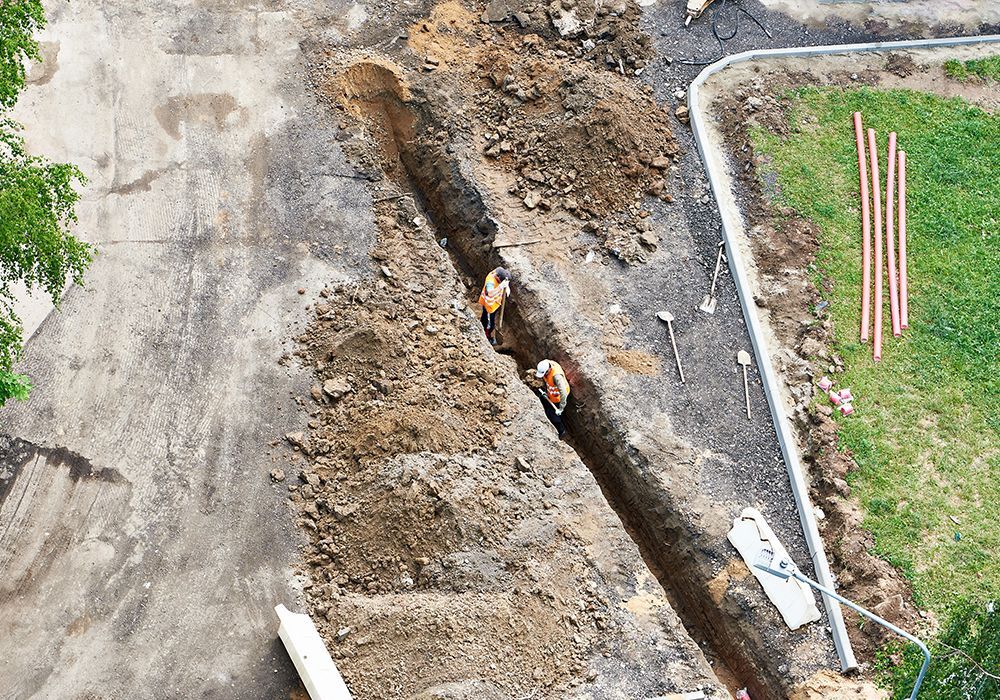
Whether you are running a new plumbing line, installing underground electrical conduit, laying fiber, or adding an irrigation system, utility trenching in Phoenix is one of the most common — and most misunderstood — parts of any construction or site improvement project. Done correctly, trenching work goes cleanly, safely, and on schedule. Done by the wrong crew, or without the right preparation, it can result in damaged underground utilities, costly emergency repairs, project delays, and liability that falls directly on you as the property owner or general contractor. This guide covers everything you need to know before breaking ground in Phoenix and the West Valley.
Drainage is one of the most overlooked reasons to trench. French drains and buried downspout lines can move monsoon runoff safely away from your home, but they only work if the ground around them is shaped to feed water into them. Slope comes first, pipe second. Before you plan a drainage trench, read up on
why yard grading matters for monsoon drainage.
What Is Utility Trenching?
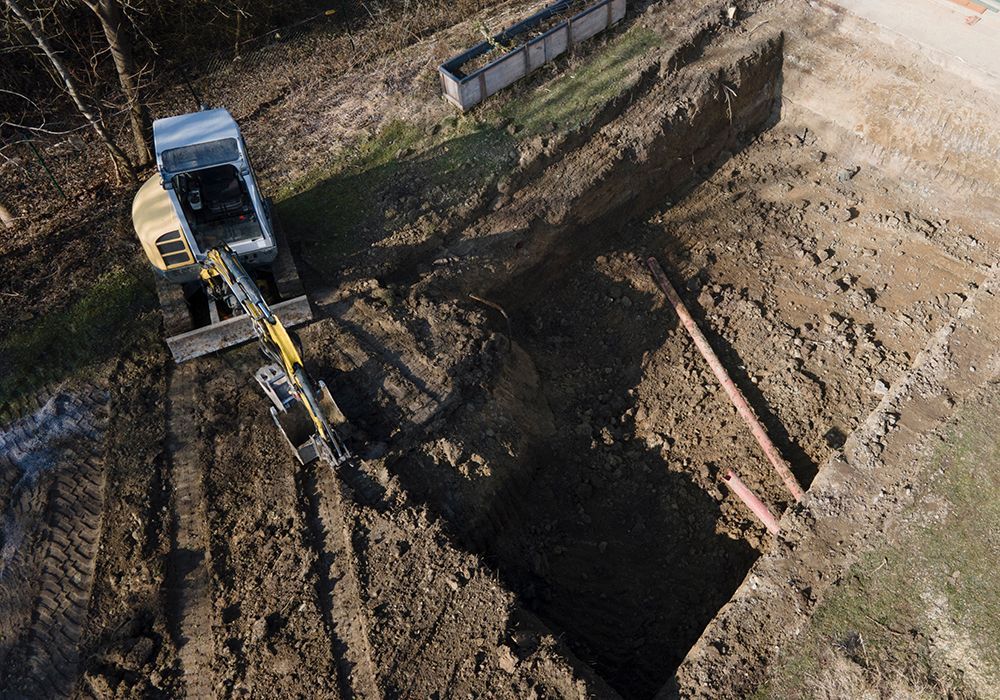
Utility trenching is the process of excavating a narrow, deep trench through soil, rock, or hardpan material to create a clear, protected pathway for underground utility lines. Those lines include water and plumbing pipes, electrical conduit, natural gas distribution lines, fiber optic and telecom cable, irrigation piping, and storm or sanitary drainage systems. Each utility type has minimum depth requirements, specific bedding and backfill requirements, and code compliance standards that govern how the trench must be cut, how the line must be installed, and how the trench must be closed.
Trenching is not a standalone service — it is the foundation of the entire underground utility installation. If the trench is the wrong depth, the wrong width, or cut at the wrong grade, every trade that follows is working against a problem they did not create. Getting the trench right the first time is what keeps plumbers, electricians, and fiber crews moving efficiently instead of calling for rework.
Since I published this guide, the number one follow-up question has been about price. The short version: most Valley trenches run $10 to $25 per linear foot, but depth, access, and especially caliche can move that number in a hurry. I put together real per-foot ranges for water, electrical, and gas trenches — plus what a hard dig actually adds — in my full breakdown of how much trenching costs in Arizona.
Arizona 811 — Call Before You Dig. Every Single Time.
Before any trenching work begins in Arizona — residential, commercial, or otherwise — state law requires that you notify Arizona 811 (Blue Stake Center) at least three full business days in advance so that underground utility lines can be located, marked, and cleared. This is not optional. It is not a suggestion. And skipping it is not a shortcut — it is a liability.
📊 Industry Data: According to the Common Ground Alliance's 2024 DIRT Report, nearly 200,000 incidents of damage to buried utilities were reported in the United States last year — and the single most common root cause was excavators failing to notify the 811 center before digging. That one missed step — a free, three-minute phone call or online request — is directly responsible for a staggering percentage of utility strikes resulting in property damage, service outages, serious injuries, and fatalities.
When you hire a professional excavating contractor in Phoenix, 811 notification is a non-negotiable first step. Phoenix Pro Excavating submits the locate request on your behalf and waits for all utility lines to be marked, confirmed, and cleared before any equipment moves. No exceptions, no shortcuts.
One more safety step worth knowing about: before we trench across or near existing lines, we often pothole them with a hydrovac truck. High-pressure water and a vacuum expose the line so we can see its exact depth before the trencher gets anywhere near it. To understand how that works and when it is worth the money, read our plain-English guide on what hydrovac excavation is and when you need it.
The Most Common Types of Utility Trenching in Phoenix
Plumbing and Water Line Trenching
Plumbing trenches are among the most frequently requested utility jobs across Phoenix and the West Valley. Running a new water service to a casita, adding a bathroom to a garage conversion, extending a main water line for a new ADU — all of it starts with a properly cut plumbing trench. These trenches must maintain a consistent grade throughout the run to provide adequate drainage slope, typically a quarter inch of fall per linear foot of pipe. They also need to be wide enough to accommodate the pipe, fittings, and any bedding material required by the inspector.
Electrical Conduit Trenching
Underground electrical work is an everyday part of Phoenix construction — new home builds, detached garages, pool equipment installations, accessory dwelling units, commercial tenant improvements, and service upgrades all commonly require underground conduit runs. Electrical trenches must meet minimum depth standards under the National Electrical Code (NEC) as adopted in Arizona. Minimum depths vary by conduit type: 24 inches for rigid metal conduit and 18 inches for Schedule 40 PVC are standard baselines, though local jurisdictions in Maricopa County and the individual West Valley cities may apply stricter requirements on specific project types.
Gas Line Trenching
Natural gas trenching demands particular care and precision. The consequences of hitting an existing gas line are immediate and potentially severe, which is why 811 locating is especially critical before any gas-adjacent trench work begins. Arizona requires gas service lines to be buried at a minimum of 12 inches and larger distribution lines at 18 to 24 inches depending on pressure classification and pipe diameter. Many projects involving gas line trenching benefit from vacuum excavation or HydroVac methods near existing infrastructure to eliminate any margin of error when working close to live gas facilities.
Fiber Optic, Telecom, and Data Line Trenching
Phoenix has seen a dramatic increase in fiber optic installation work over the past several years as neighborhoods, commercial corridors, and new developments upgrade their data infrastructure. Fiber trenching requires clean, precise cuts — typically 18 to 24 inches deep — combined with careful bedding and backfill protocols to prevent conduit damage after the trench is closed. In densely built areas where multiple utilities share a corridor, HydroVac excavation is the preferred method for fiber projects to avoid disturbing existing infrastructure during the dig.
Irrigation and Drainage Trenching
Irrigation trenching for residential and commercial drip systems, spray zones, and main irrigation lines is a regular part of landscape installation and renovation projects throughout the West Valley. Drainage trenching — for French drains, channel drain systems, and yard drainage corrections — requires particularly accurate grading to ensure water is directed to the correct outlet without creating backpressure, pooling, or inadvertent runoff onto adjacent property. Phoenix's monsoon season makes proper drainage installation more than a cosmetic issue; standing water after a monsoon event has nowhere to go except toward whatever path of least resistance it finds, and in developed subdivisions, that path is often directly toward a structure or a neighbor's yard.
Minimum Trench Depth Requirements in Arizona — Quick Reference
The following is a general reference for the most common utility types in Phoenix residential and light commercial projects. Always confirm depth and bedding requirements with your local jurisdiction and with the applicable utility company before finalizing project plans:
Utility TypeTypical Minimum Depth (Phoenix Area)NotesWater service lines12 inches below finished gradeDeeper for main distribution linesElectrical conduit (PVC)18 – 24 inchesVaries by circuit voltage and conduit typeElectrical conduit (RMC)6 – 24 inchesRMC allows shallower burial in some applicationsNatural gas service lines12 – 18 inchesLarger distribution lines buried deeperSewer linesVaries by main depthMust maintain minimum slope to the sewer mainIrrigation mainlines12 – 18 inchesLateral lines 6 – 12 inchesFiber optic / telecom conduit18 – 24 inchesPrivate property; confirm with service provider
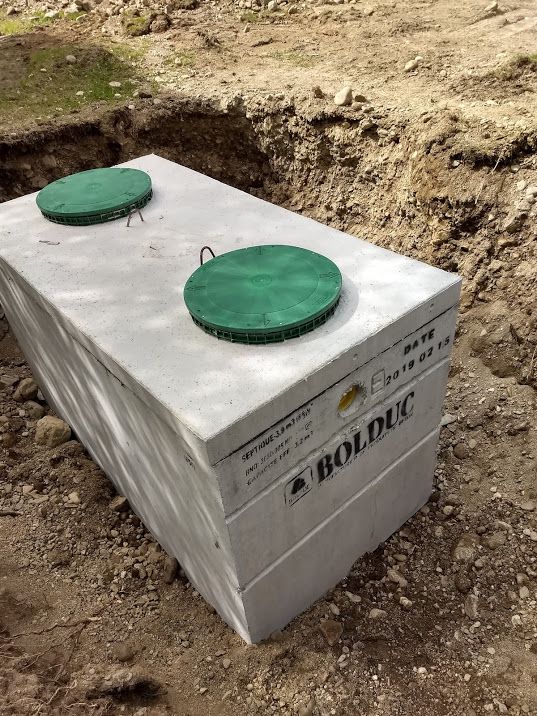
Trenching also decides one of the biggest questions on rural and semi-rural lots: connect to a distant sewer main, or install septic on-site? The right answer depends on distance, soil, and long-term costs on both sides. We laid out the full septic side of that math in how much does septic tank installation cost in Arizona.
Phoenix Soil Conditions — Why Caliche Changes Everything
If you have worked on construction projects in the Phoenix metro area, you already know that digging in Arizona is fundamentally different from digging in other parts of the country. The desert soil throughout Maricopa County and the West Valley is frequently interrupted by caliche — a naturally occurring calcium carbonate hardpan that forms dense, rock-like layers beneath the surface. Depending on the property, caliche can appear just a few inches below grade or several feet underground, right where utility trenches need to run.
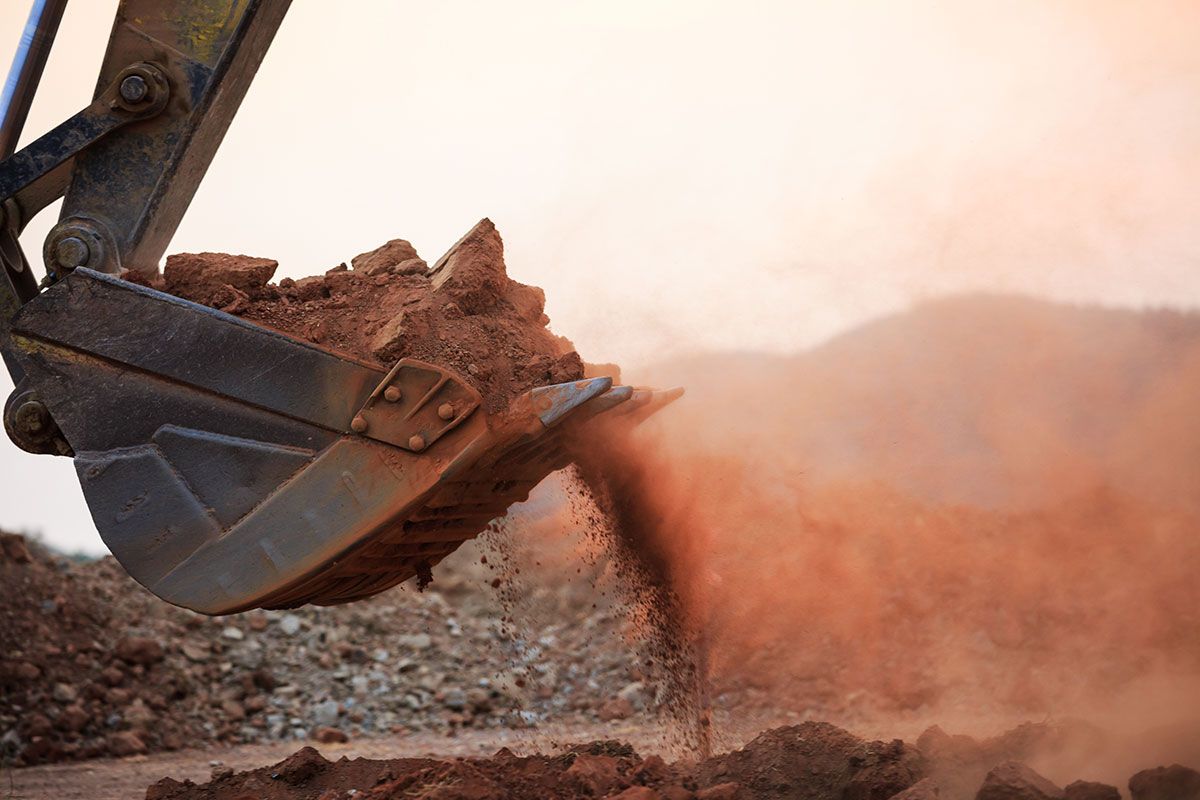
For utility trenching, caliche creates two distinct challenges. First, standard bucket excavation cannot break through it — you need a rock hammer attachment, a ripping tooth, or sometimes a jackhammer for manual work around sensitive utilities. Second, when caliche is disturbed and mixed back into the trench as fill material, it does not recompact the same way clean fill does, which can lead to gradual settling, surface cracking over patched areas, and future problems with the installed utility line.
An experienced Phoenix trenching crew will identify caliche conditions during the initial site review, will arrive with the right equipment to handle it, and will account for it in the estimate upfront rather than treating it as a surprise change order once work is already underway. This is one of the clearest differentiators between crews who work regularly in the Phoenix metro and those who do not.
When to Use HydroVac or Vacuum Excavation Instead of Mechanical Trenching
Mechanical trenching — using a chain trencher or an excavator bucket — is efficient and cost-effective for most utility work in open areas with consistent soil. But certain site conditions make mechanical excavation an unacceptable risk, and those situations call for vacuum or HydroVac methods instead.
Vacuum excavation uses powerful suction to remove soil without any cutting action, making it impossible to damage existing underground utilities even when digging within inches of them. HydroVac excavation uses pressurized water to break up soil and then vacuums the slurry away, combining the efficiency of water cutting with the precision of vacuum removal.
Both methods are the right call when:
- Potholing to verify the actual depth and position of existing utilities before a mechanical trench is cut nearby
- Working in tight-access areas where full-size equipment cannot operate safely
- Trenching in older Phoenix neighborhoods where utility records may be inaccurate or incomplete
- Running a trench path that crosses over or closely parallels known gas, water, or fiber lines
- Any location where shallow utilities are known or suspected in the top 18 to 24 inches of soil
The cost of vacuum or HydroVac excavation is higher per linear foot than mechanical trenching. The cost of hitting a live gas line, severing a fiber run, or breaking a water main is orders of magnitude higher. The choice is straightforward on any project where existing utilities are a factor.
What to Expect From a Professional Utility Trenching Project
When you work with Phoenix Pro Excavating's utility trenching team, you get a consistent, clearly communicated process from the first phone call to final cleanup:
- Project review and site walkthrough. We review your plans or walk the property with you to confirm trench paths, assess equipment access, evaluate soil conditions, and identify any complications before the estimate is written.
- Arizona 811 notification submitted. We submit the locate request and wait for all utility lines to be marked and cleared before any equipment moves.
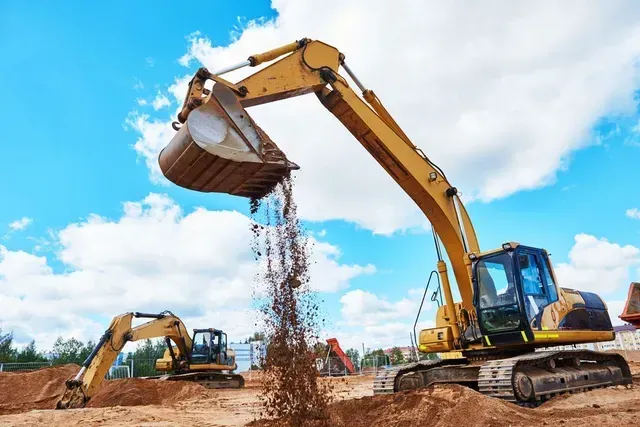
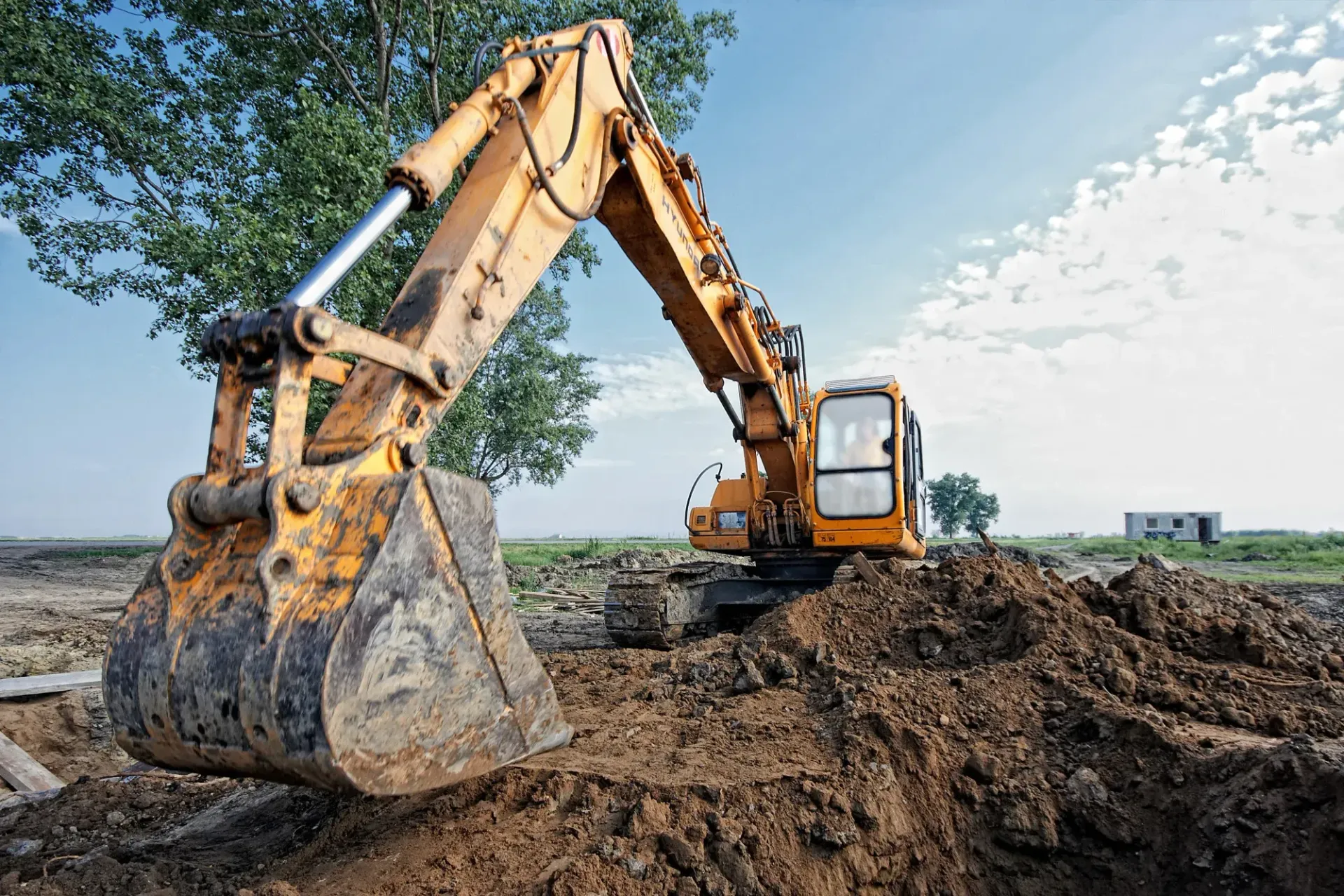
- Trenching and excavation. We dig to the required depth and width using the right equipment for the conditions — full-size excavators for long open runs, mini-excavators for tight residential lots, and vacuum equipment where existing utilities require it.
- Open trench coordination with trades. Trenches are left clean and accessible for the plumber, electrician, fiber contractor, or irrigation crew to install their lines. We coordinate timing with your other trades to keep the schedule moving.
- Backfill and compaction. Once lines are installed and inspected, we backfill in engineered lifts with proper compaction at each layer to prevent future settling, surface damage, or shifting of the installed utility.
- Surface restoration and site cleanup. Excess soil and spoil piles are removed, disturbed pavement or hardscape is addressed, and the site is left clean and ready for the next phase.
One more thing that can change your trenching timeline in a hurry: caliche. This cemented desert soil can sit a couple of feet below the surface and stop a normal dig cold, which is why some trenches need ripper teeth or a rock hammer to finish. If you want to know what you might be up against on your lot, I broke it all down in my post on
what caliche is and why it's so hard to dig in Arizona.
How to Choose the Right Utility Trenching Contractor in Phoenix
Not every excavation company operates at the same standard. When evaluating utility trenching contractors for your Phoenix project, look specifically for these qualifications:
- 811 compliance with no exceptions. Any contractor who suggests skipping or delaying the utility locate process is a risk you do not need on your job site.
- Documented local soil experience. Ask directly about their track record with caliche conditions in the specific area of Phoenix or the West Valley where your project is located. Vague answers are a yellow flag.
- The right equipment for your specific job. A company with only one type of excavator will try to use it on every project. Look for a crew with access to full-size excavators, compact excavators, chain trenchers, rock hammer attachments, and vacuum or HydroVac capability for sensitive work.
- Written estimates that include everything. Your estimate should specify what is and is not included — particularly hauling, hard-dig conditions, compaction, and any saw-cut or surface restoration work required.
- Trade coordination experience. Utility trenching almost always involves multiple contractors. The excavation crew should be comfortable coordinating open trench timing with plumbers, electricians, and inspectors rather than leaving that to you.
Plan Your Utility Trenching Project in Phoenix
Phoenix Pro Excavating provides utility trenching across Phoenix, Goodyear, Surprise, Glendale, Peoria, Buckeye, and the entire West Valley. We handle residential and commercial utility work including plumbing, electrical, gas, fiber, irrigation, and drainage — with written estimates returned within 24 hours.
📞 Call 623-299-2172 or find us on Google to read customer reviews and request your estimate.
Frequently Asked Questions — Utility Trenching in Phoenix
How much does utility trenching cost in Phoenix?
Trenching costs vary based on total run length, required depth, soil conditions, and site access. Most residential utility trenching in Phoenix falls in the range of $8 to $25 per linear foot depending on job complexity. Hard-dig conditions involving caliche, tight access requiring smaller equipment, or work near existing utilities requiring vacuum excavation will add to that baseline. The most accurate number comes from a site walkthrough and written estimate — phone quotes on trenching work are rarely reliable in Arizona because of how variable soil conditions are by neighborhood.
Do I need a permit for utility trenching in Phoenix?
For most utility installations — plumbing, electrical, and gas especially — permits are required and are typically pulled by the licensed trade contractor responsible for the installation rather than by the excavation crew. The trenching work usually falls under the same permit scope. Your excavating contractor and the applicable trade contractor will clarify which permits are required and who is responsible for pulling each one before work begins.
How long does utility trenching take?
Simple residential trenching runs — a single plumbing line or conduit run across a backyard — are often completed in one day. Longer commercial runs, multi-utility projects, or jobs with access limitations or hard-dig soil can take two to five days. Phoenix Pro Excavating provides a project timeline with every estimate so you can coordinate your other trades before the excavation begins.
What is the difference between a chain trencher and an excavator for utility work?
A chain trencher cuts a precise, narrow slot quickly and efficiently for long, straight runs in consistent soil. An excavator provides more flexibility in width, depth, and the ability to handle rocks, roots, and caliche layers that would destroy or jam a trenching chain. Most utility projects in the Phoenix metro area require an excavator — or a combination of both machine types — because of the unpredictable soil conditions and frequent presence of caliche throughout Maricopa County.
Can you trench through concrete or asphalt in Phoenix?
Yes. Saw cutting asphalt or concrete to create a clean trench opening is a standard part of utility work on any improved surface — parking lots, driveways, sidewalks, and road shoulders. Phoenix Pro Excavating provides saw cut services as part of our utility trenching scope, creating straight, controlled cuts that allow for a professional-looking patch when the trench is backfilled and the surface is restored.
How deep does the Arizona frost line affect trench depth in Phoenix?
The frost depth in Phoenix and the low-elevation West Valley is effectively zero — the ground does not freeze at grade in Maricopa County. Minimum trench depths in Phoenix are driven by code requirements, load protection, and UV exposure concerns rather than freeze protection. However, if your project is at higher elevation — Wickenburg, the White Tank foothills, or other areas with documented frost events — confirm frost depth requirements with the local building department before finalizing trench depth on water and irrigation lines.