How Much Does Pool Removal Cost in Phoenix, AZ? (2026 Guide)
Wondering how much pool removal costs in Phoenix?
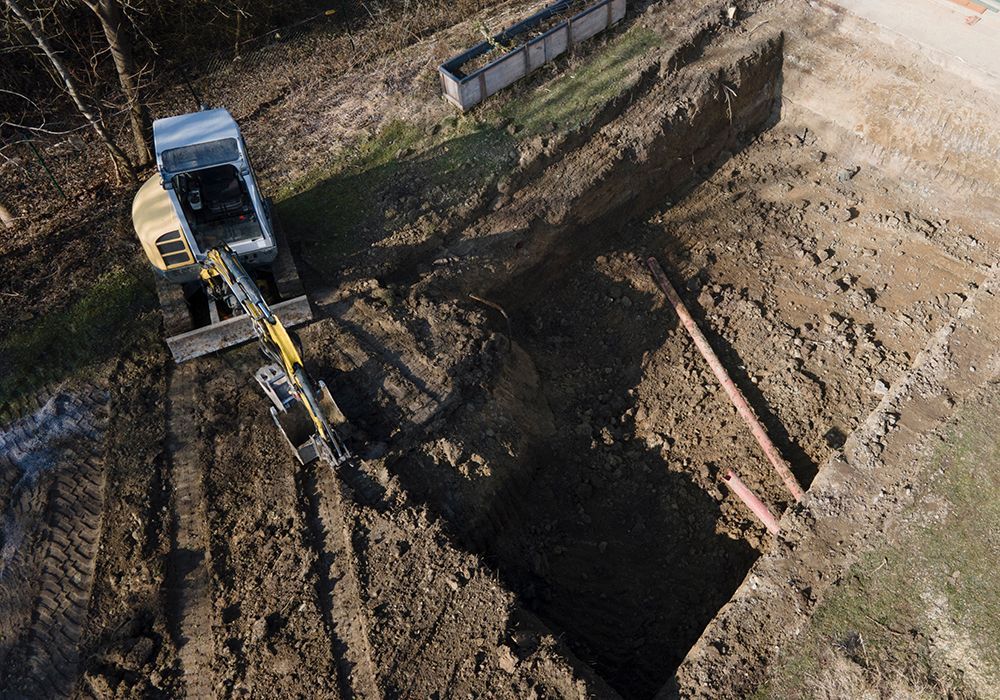
If you are looking into pool removal in Phoenix, AZ, the first question is almost always the same: how much is this going to cost? Whether your pool is cracked, outdated, a maintenance nightmare, or simply taking up space you want back, understanding the real cost of pool demolition and removal helps you plan ahead and avoid surprises. This guide breaks down what Phoenix homeowners and property investors actually pay for pool removal in 2026, what drives the price up or down, and what the process looks like from start to finish.
Partial Pool Removal vs. Full Pool Removal — What Is the Difference?
Before you can get an accurate estimate, you need to understand the two main types of pool removal. The method you choose has the single biggest impact on your total cost.
Partial pool removal — also called pool abandonment or pool fill-in — involves punching drainage holes in the floor and walls of the pool shell, demolishing the top portion of the structure, and using the broken concrete rubble along with clean fill dirt to fill the void. This method costs less because it removes less material and requires fewer truckloads to haul away. The tradeoff is that some concrete remains underground, which can affect resale value and limits what you can build over the site in the future.
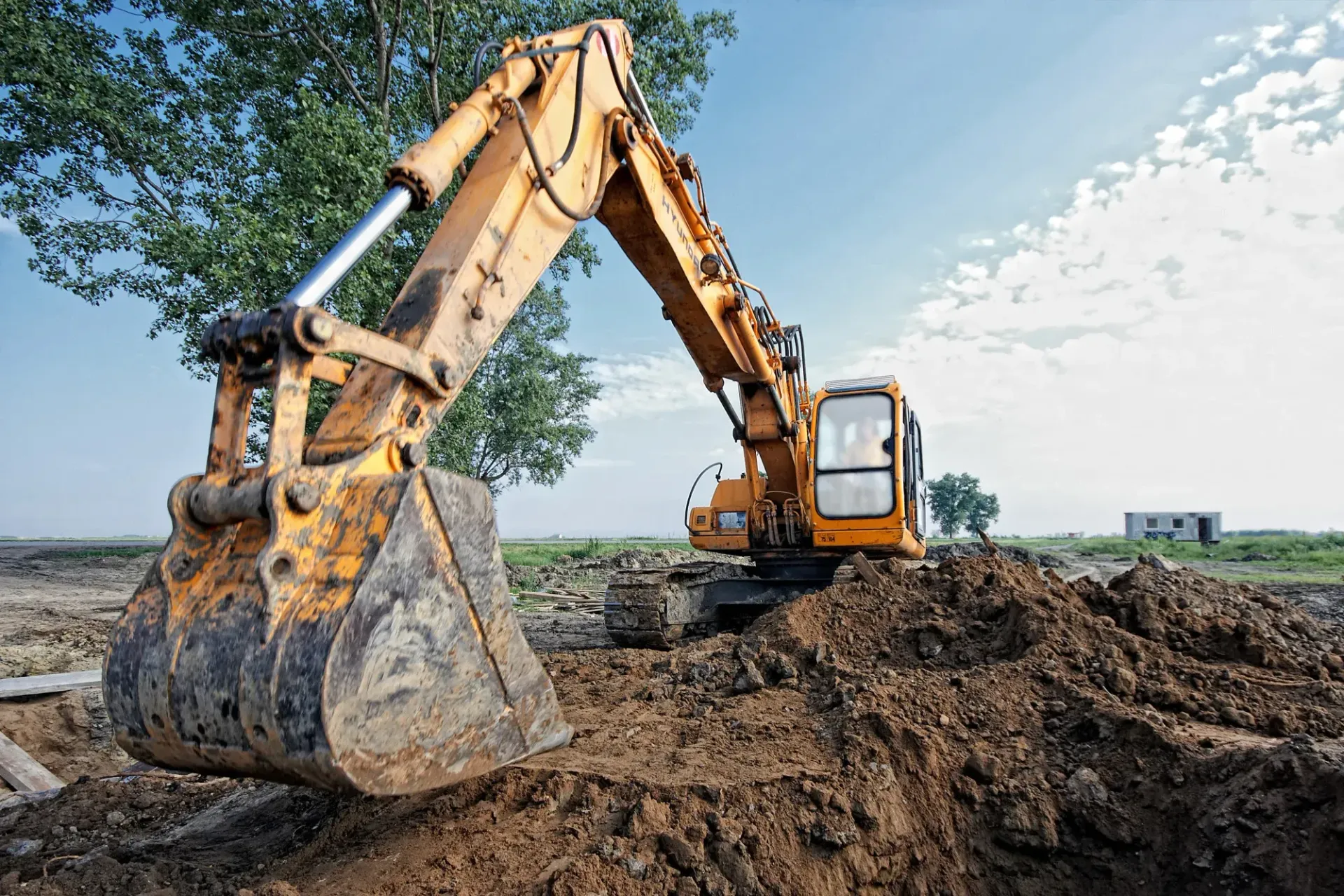
Full pool removal means the entire pool structure — shell, deck connections, plumbing lines, and all related materials — is fully excavated and hauled off the property. It takes more time, more equipment, and more hauling cost, but it leaves your yard with a completely clean slate. This is the preferred method for homeowners planning new construction, preparing the property for sale, or who want maximum future flexibility over how the land is used.
Pool removal isn't the only dirt work people ask me to price. If you own raw land in the Valley, the same things that move a pool quote - access, hauling, and hard digging - move a clearing quote too. I put together the same kind of honest guide on land clearing cost per acre in Arizona so you can budget before you call. (adjust link if the published slug differs)
Going the other direction? Plenty of readers land here planning a brand-new pool rather than removing one — and the dig side of that project has its own price logic, driven by caliche, gate access, and dirt hauling. We broke down real numbers in our guide to how much pool excavation costs in Phoenix.
What Does Pool Removal Cost in Phoenix, AZ?
According to Angi's 2026 pool removal cost data, the national average cost to remove a swimming pool ranges from $2,000 to $19,000, with full pool removal averaging around $9,000 and partial removal typically ranging from $4,000 to $10,000. In Phoenix and the West Valley, prices reflect local factors specific to Arizona — primarily soil conditions, yard access limitations, and haul distances to approved disposal sites.
Here is a general cost reference for Phoenix-area pool removal projects:
- Partial pool removal (fill-in): $3,500 – $8,500
- Full pool removal and backfill: $8,000 – $18,000+
- Concrete or gunite pool (full removal): $10,000 – $18,000+
- Fiberglass pool removal: $6,000 – $15,000
- Vinyl liner pool removal: $4,000 – $10,000
These are ranges, not fixed prices. The actual cost for your project depends on the variables covered below. The most reliable way to know what your pool removal will cost is to have a qualified Phoenix excavating contractor walk your property and assess your specific yard, pool type, soil conditions, and access before quoting.
The bigger decision than the number is whether you will ever build on that spot, because only a full removal with a compaction report allows it. We explain why in can you build on top of a removed pool in Arizona.
Soil conditions are one of the sneaky cost factors in pool removal. If the ground around your pool has a hard caliche layer, breaking and digging take longer, and that extra machine time shows up in the price. Before you compare quotes, it helps to understand what caliche is and why it's so hard to dig in Arizona.
Older pools often have more buried around them than owners realize: gas lines feeding the heater, electrical runs for pumps and lights, and irrigation rerouted around the old deck. Before heavy equipment starts breaking concrete, it can pay to expose those lines safely first so demo day has no surprises. Here is our breakdown of what hydrovac excavation is and when you need it.
One thing that catches people off guard on a pool removal is the deck. That concrete apron around the pool is often 4 to 6 inches thick with rebar in it, and it adds real tonnage to the job. Plenty of homeowners decide to pull the deck at the same time so the whole area can be graded clean and planted or paved. If that sounds like your yard, it helps to know the numbers before you budget. Here is a full breakdown of how much concrete removal costs in Phoenix.
What Factors Affect Pool Removal Cost in Phoenix?
Pool Type and Construction Material
Concrete and gunite pools are the most expensive to remove because they require jackhammering, rock hammering, and significant equipment time to break the shell into manageable pieces. Fiberglass pools can sometimes be removed in one or two large sections, which speeds things up, but the shell still requires a crane or large excavator to lift out of the ground. Vinyl-lined pools generally fall in the middle of the cost range, though they typically require full removal since partial fill-in is not a structurally appropriate option for vinyl construction.
Pool Size and Depth
Larger pools mean more material to break up and more truckloads to haul away — which means more equipment time and higher disposal costs. Deep ends add another layer of complexity: excavating and operating in a deeper hole requires more precision, additional shoring considerations in some cases, and extended equipment time. Standard Phoenix residential pools typically run 15x30 feet to 20x40 feet or larger, and those dimensions feed directly into the total price.
Caliche and Rocky Soil — Phoenix's Most Common Cost Variable
This is one of the most important Phoenix-specific cost factors in any excavation project — and one that out-of-state or inexperienced contractors routinely underestimate. Caliche is the calcium carbonate hardpan layer found under the soil throughout Maricopa County and across the West Valley. It forms into a dense, rock-hard material that cannot be moved with standard bucket excavation alone.
Some Phoenix properties have caliche just a few inches below the surface. Others have it at three to five feet, right where pool demolition and backfill compaction need to happen. When caliche is present, rock hammer attachments and additional equipment hours are required, and that cost is real. An experienced local crew who knows the area will assess this during the site visit and build it into the estimate upfront. If a contractor quotes you over the phone without seeing the site, assume they have not accounted for caliche.
Yard Access and Equipment Clearance
How straightforward is it to get a full-size excavator, a skid steer, and dump trucks into your backyard? Properties with narrow side gates, low-hanging trees, raised block walls, or grade changes between the front and back of the lot require smaller equipment, more repositioning time, or additional manual work. In many Phoenix subdivisions, the only access to a backyard pool is through a single-width gate, which limits equipment size and adds time to the project. A good contractor evaluates access during the site walk and reflects that reality in the estimate rather than noting it as a change order later.
Hauling and Disposal
Concrete debris, fill dirt, and pool-related materials must be hauled off-site to a licensed disposal or recycling facility. For a full pool removal, the volume of material can be substantial — anywhere from 30 to over 100 tons depending on pool size and construction type. Hauling and disposal costs are either included in a project quote or billed as a separate add-on, so confirm this before signing anything. Clarify how many loads are estimated and whether the dump fees are covered in the quoted price.
Permit Costs
Most cities and jurisdictions in Maricopa County require a permit for pool demolition. Permit fees typically run between $50 and $250 depending on the municipality. Your excavation contractor will usually handle pulling the permit as part of the project process. Plan for one to three weeks of permit approval time before physical work can begin — this is a hard timeline that cannot be bypassed.
Will Removing Your Pool Affect Your Home Value?
This is one of the most common questions Phoenix homeowners ask before committing to pool removal, and the honest answer is that it depends on your specific situation. In Phoenix and the West Valley, a functioning pool in good condition generally adds value — especially in higher-end communities or on properties where outdoor living space is a key selling feature. However, a pool that is structurally compromised, heavily cracked, leaking, or simply years past its useful life is typically a liability rather than an asset. Most buyers see it as a future expense, not a benefit.
Pool removal tends to make the strongest financial sense when the pool is in poor condition, when you are preparing the site for new construction, when the pool occupies the majority of a smaller yard, or when your target buyer pool — particularly families with young children — actively prefers not to have a pool on the property. In those situations, removal often improves both marketability and the pace of sale even without adding a direct dollar-for-dollar increase in appraised value.
What the Pool Removal Process Looks Like in Phoenix
When you work with a professional pool removal company in Phoenix, the process follows a clear and predictable sequence with no surprises:
- Site walkthrough and estimate. A qualified crew member visits your property, evaluates pool type, access, soil conditions, and any site-specific complications, and provides a written estimate — typically within 24 hours.
- Permit pulled. Your contractor submits the required demolition permit application with the appropriate city or county office and monitors approval status.
- Pool draining and utility disconnection. The pool is fully drained and all plumbing, electrical, and gas connections tied to pool equipment are properly capped and disconnected before any demolition begins.
- Demolition and excavation. The pool shell is broken up using excavators, rock hammers, and concrete saws as required by the construction type. For full removals, all material is loaded into haul trucks and removed from the property. For partial removals, broken concrete rubble is used as the base layer of fill.
- Backfill and compaction. The excavated void is filled with clean fill dirt in engineered lifts, with proper compaction equipment used at each stage to prevent future settling or surface cracking.
- Site grading and cleanup. The surrounding area is cleaned, graded back to natural slope, and left in a condition that allows the next phase — landscaping, hardscape, or construction — to begin without delay.
Most residential pool removals in Phoenix take two to five days of active work, depending on pool size, removal type, and soil conditions.
How to Get the Best Pool Removal Estimate in Phoenix
The most important thing you can do is get your estimate from a contractor who physically walks the property rather than quoting from photos or a phone description. Phoenix soil conditions, access constraints, and the actual condition of the pool shell are all things that require eyes on the site. Be careful of estimates that come in significantly lower than others — they frequently exclude hauling, compaction, hard-dig conditions, or permit costs that will resurface as change orders once the job is underway.
When you contact a pool removal contractor, have the following information available: approximate pool dimensions, pool construction type (concrete, fiberglass, or vinyl), whether you are considering full or partial removal, and any known access restrictions on your property. This helps the estimator prepare faster and gives you a more accurate number on the first visit.
Get a Fast Pool Removal Estimate in Phoenix
Phoenix Pro Excavating serves Phoenix, Goodyear, Surprise, Buckeye, Glendale, Peoria, and the entire West Valley. We provide written pool removal estimates within 24 hours, with honest pricing that accounts for access, soil conditions, and hauling upfront.
📞 Call 623-299-2172 or find us on Google to read reviews and get directions.
Frequently Asked Questions — Pool Removal in Phoenix
How long does pool removal take in Phoenix?
Most residential pool removals in Phoenix take two to five days of active work. Full removals on larger pools — or those with access challenges or significant caliche conditions — may run up to seven days. Add one to three weeks of permit approval time before physical work can begin, so factor that into your overall project schedule.
Do I need a permit to remove a pool in Phoenix?
Yes. The City of Phoenix and most Maricopa County municipalities require a permit for pool demolition. Your contractor typically handles the permit application as part of the project scope. Permit fees range from $50 to $250 depending on the jurisdiction.
What happens to the pool water before removal begins?
The pool is drained before any demolition work starts. Your contractor manages the draining process in compliance with local regulations — in most cases, pool water is discharged to the sanitary sewer via a cleanout connection or hauled away, not surface-discharged across adjacent property.
Can I build over the area after pool removal?
After a full pool removal with engineered backfill and proper compaction, you can typically build over the site after an appropriate settling period — consult with your engineer for specific load-bearing applications. After a partial removal, building directly over the void area is generally not recommended without a structural engineer's assessment first. This difference in future use potential is one of the primary reasons homeowners choose full removal over partial fill-in.
What is caliche and how does it affect pool removal cost?
Caliche is a naturally occurring hardpan layer of calcium carbonate common throughout Arizona's desert soil, especially in Maricopa County and the West Valley. It can appear anywhere from just below the surface to several feet underground. When caliche is present at pool depth, it requires rock hammer attachments and additional equipment time, which adds to the project cost. Experienced Phoenix excavation crews — particularly those with extensive local track records — will identify caliche conditions during the site walk and include it in the estimate rather than billing it as an unexpected extra.